Key facts
- Three Vietnamese garment makers, previously linked to Esquel Group, continue to export cotton goods to the U.S.
- These manufacturers were rebranded in October 2022 and share ownership structures and a former CEO with Esquel.
- Esquel Group was sanctioned by the U.S. in November 2024 over alleged links to forced labor in China's Xinjiang region.
- The three makers have exported at least $5 million in cotton goods to the U.S. since Esquel's blacklisting.
- Brands including Muji and Rodd & Gunn confirmed sourcing from these manufacturers.
- U.S. Customs and Border Protection enforces the forced labor sanctions but does not inspect all goods.
Three garment manufacturers in Vietnam, previously operating under the name Esquel Garment Manufacturing Vietnam, have continued to export cotton products to the U.S. despite their close ties to the Chinese textile giant Esquel Group, which has been effectively banned from selling to the U.S. since November 2024 due to alleged links with forced labor programs in China’s Xinjiang region. Esquel Group denies these allegations.
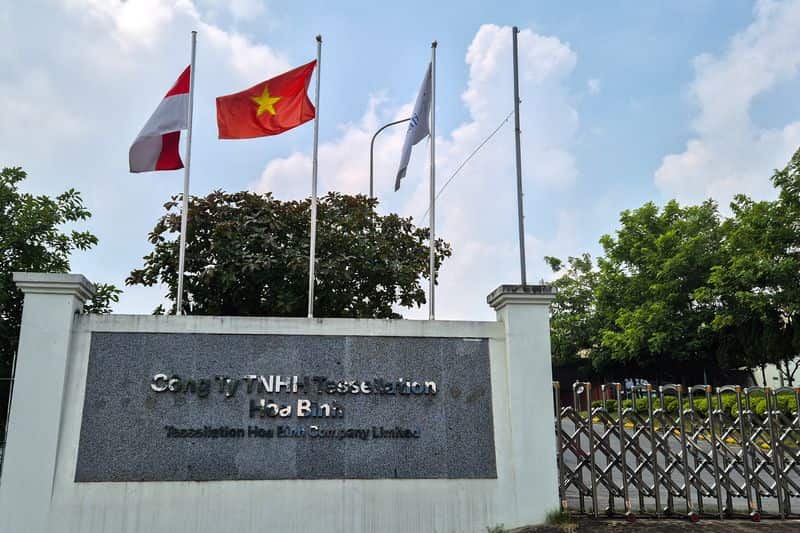
The three manufacturers—An Loi Apparel, Tessellation Binh Duong, and Tessellation Hoa Binh—were rebranded in October 2022. Shipment records reviewed by Reuters show that these firms maintained significant cotton sourcing from Esquel and that Edgar Tung, who served as Esquel’s chief executive between 2021 and 2022, is listed in corporate filings as an owner’s representative at the three makers. The manufacturers were owned by the same three offshore firms both before and after their rebranding.
Joshua Kagan, a former Assistant U.S. Trade Representative, stated that these connections are likely sufficient for customs authorities to conclude that the manufacturers operate within Esquel’s ecosystem. While Reuters could not determine if the cotton used in the exported products originated from Esquel or Xinjiang, it is common industry practice to blend cotton from various sources. The three manufacturers also source from other entities, though Esquel was historically their largest supplier.
Since Esquel's blacklisting, the three garment makers have exported at least $5 million in cotton goods to the U.S. U.S. Customs and Border Protection (CBP) enforces the sanctions but does not inspect all incoming goods. Democratic lawmakers have expressed concern over the level of enforcement, noting a drastic drop in inspections despite no evidence of reduced prohibited shipments.
Brands including Muji USA and Rodd & Gunn confirmed they source apparel from these manufacturers. Muji stated it was unaware of any links to Esquel and plans an audit, while Rodd & Gunn said it requires sourcing exclusively from the U.S., Brazil, and Australia. Both companies stated they were unaware of any connection between their suppliers and Esquel.
Esquel Group, described as a "seed to shirt" enterprise, has a history of operations in Xinjiang, a region where the U.S. government alleges Uyghurs have been subjected to forced labor. Following sanctions on one of its Xinjiang mills around 2020, Esquel saw major customers pause or cancel orders. Esquel challenged the blacklisting but was unsuccessful. In late 2022, Esquel spun off its consumer brands and tech operations into Tessellation Group, led by Dee Poon. Around the same time, the Vietnamese garment manufacturers were renamed Tessellation. Esquel continued to export a significant portion of its cotton from China to these three garment makers after the sanctions.