Key facts
- The Trump administration replaced an exhibit on slavery at George Washington's Philadelphia home with new panels.
- Critics argue the new panels sanitize American history and are overly sympathetic to enslavers.
- The National Park Service removed original panels in January 2026 following a presidential executive order.
- A federal appeals court ultimately allowed the replacement of the exhibit.
- Philadelphia's mayor and activists have denounced the move and plan further action.
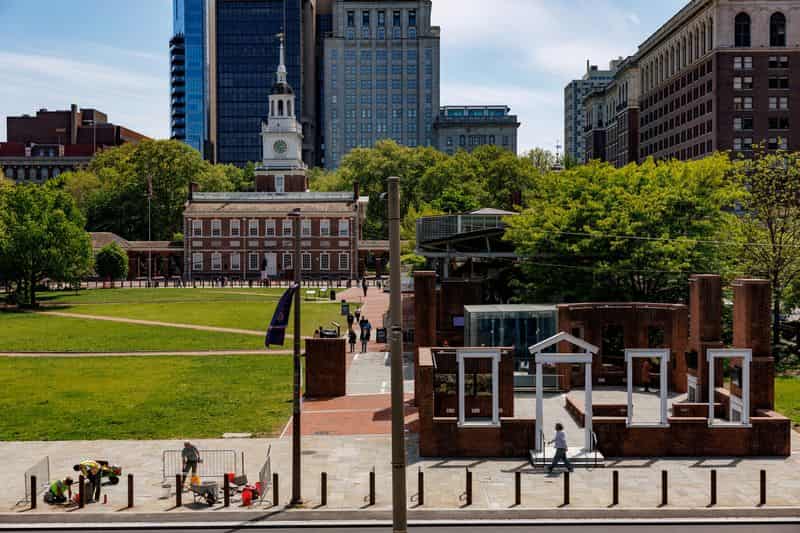
The federal government has reinstalled revised panels on slavery at George Washington's home in Philadelphia, following a contentious legal battle and a six-month fight between the city and the Trump administration. The National Park Service (NPS) removed the original panels, which detailed the lives of nine enslaved individuals who lived at the home in the 1790s, on January 22, 2026. This action was taken to comply with President Trump's executive order from March 27, 2025, titled 'Restoring Truth and Sanity to American History,' which directed federal institutions to avoid exhibits that 'disparage Americans.'
Initially, a federal judge ordered the reinstatement of the original panels, but the NPS only installed half of the exhibit, leaving the site in limbo. The federal government appealed this decision to the U.S. Third Circuit Court of Appeals, which ruled in mid-June that the exhibit could be replaced. On July 3, a three-judge panel affirmed the administration's right to install new panels. By the early morning of July 15, the NPS had replaced the original exhibit with new panels.
Critics, including Philadelphia Mayor Cherelle L. Parker, have strongly denounced the move, calling it 'shameful' and a violation of community trust. They argue that the new panels sanitize the history of slavery and whitewash the nation's origins. Attorney Michael Coard compared the administration's actions to authoritarianism and fascism, stating, 'This is always the first step to fascism.' He noted that legal options, such as seeking reconsideration from a 14-member third circuit court or appealing to the Supreme Court, remain.
A spokesperson for the Department of the Interior stated that the new panels provide a fuller picture of the nation's origins, acknowledge the evils of slavery, and highlight the essential humanity of the enslaved individuals. The spokesperson added that the panels also recall the price the nation paid to end slavery. However, some panels suggest enslaved people in the President's House experienced 'a greater modicum of autonomy than elsewhere in the South.'
Activists and community members, such as Matt Hall of Old City Remembers and artist Alyssa Bigbee, have pledged to continue educating visitors about the original exhibit's content and to fight against the perceived rewriting of history. Hall's group has been providing visitors with informational packets about the original panels.