Key facts
- The Federal Reserve held interest rates steady for the fifth consecutive meeting.
- Three Fed members dissented, advocating for a rate hike due to inflation.
- US government borrowing costs hit a 2007 high.
- US stocks experienced a significant decline following the Fed's decision and geopolitical events.
- The US launched new strikes on Iranian targets, escalating regional tensions.
- Oil prices surged following the renewed military actions in the Middle East.
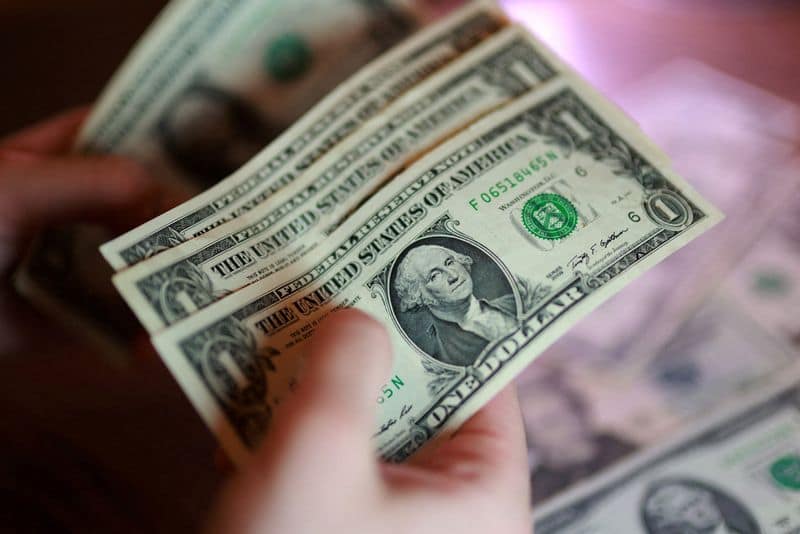
The US dollar stabilized as the Federal Reserve maintained its benchmark interest rate for a fifth consecutive meeting, a decision that has heightened investor concerns about inflation and the economy's resilience. The Fed's stance, despite calls from President Donald Trump to lower rates, was reinforced by three dissenting votes favoring a hike due to persistent inflation worries.
Adding to market jitters, renewed US military strikes against Iranian targets in response to recent attacks on American forces in Jordan have escalated geopolitical tensions. The US Central Command confirmed striking "dozens" of sites belonging to Iran's Revolutionary Guards Corp, following a joint US-Saudi operation against Iran-backed militias in Iraq that resulted in numerous casualties. These developments have propelled oil prices upward, with Brent crude surpassing $88 a barrel.
US government borrowing costs have consequently reached their highest point since 2007, reflecting increased uncertainty. The stock market reacted negatively, with the S&P 500, Dow Jones Industrial Average, and Nasdaq all closing significantly lower. In other news, Dr. Anthony Fauci invoked the fifth amendment during a Senate hearing, while Hollywood producer Jason Cloth faces wire fraud charges. Separately, wildfires continue to rage across Europe, claiming lives in Greece.