Key facts
- The Federal Reserve held interest rates steady at 3.5%-3.75% for the fifth consecutive meeting.
- The Bank of England kept interest rates on hold at 3.75%, but three policymakers voted for a hike.
- The Fed cited cooling inflation and ongoing Middle East tensions.
- Renewed conflict between the United States and Iran influenced the BoE's split decision.
- The BoE forecasts inflation to rise to 3.2% later this year from 2.6% in June.
The Federal Reserve maintained its benchmark interest rate at 3.5%-3.75% for the fifth consecutive meeting, citing cooling inflation but acknowledging ongoing Middle East tensions and elevated uncertainty. Fed Chair Kevin Warsh emphasized that there is no quick fix for high prices, stating that bringing down inflation would take time. Policymakers voted 9-3 to hold rates steady, with three members favoring a small hike. The decision comes amid growing uncertainty over the impact of the Middle East conflict on global oil prices.
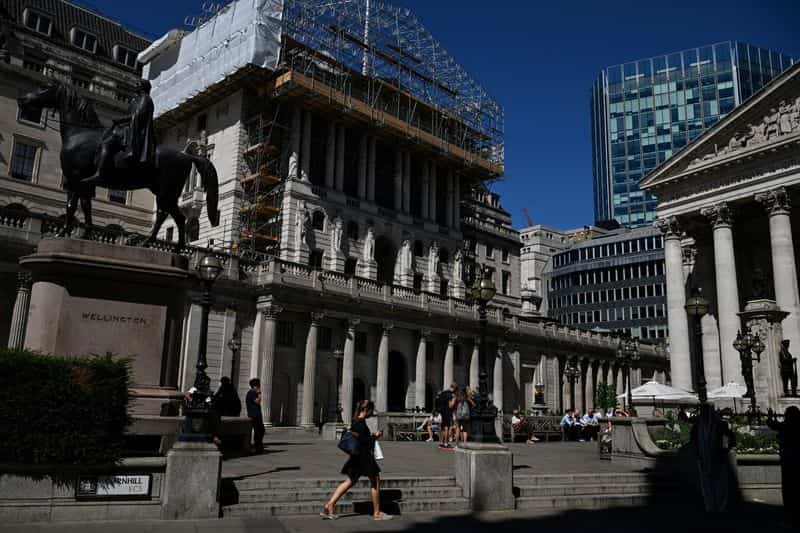
In parallel, the Bank of England kept interest rates on hold at 3.75% as expected, but the decision was split, with three policymakers voting for a hike to 4%. This divergence from the expected 7-2 split was attributed to renewed conflict between the United States and Iran. Governor Andrew Bailey indicated a preference for a wait-and-see approach to ensure inflation does not significantly overshoot its 2% target. The BoE's forecasts suggest inflation will rise to 3.2% later this year from a 15-month low of 2.6% in June, with projections based on market expectations of future rate increases.
The Bank of England also revised its assessment of the market impact from its balance sheet reduction, estimating it added a modest 0.2-0.3 percentage points to gilt yields since 2022. The pace of bond holding reduction is set to slow, with further reductions anticipated by financial market participants.