Key facts
- The Federal Reserve raised its benchmark interest rate by 25 basis points to a range of 3.75%-4%.
- This is the first rate increase by the Fed in over three years.
- Fed Chair Kevin Warsh stated inflation is too high and has been for too long.
- President Donald Trump publicly opposed the rate hike, calling for rates to be 1% or less.
- Major US banks raised their prime lending rate to 7% from 6.75%.
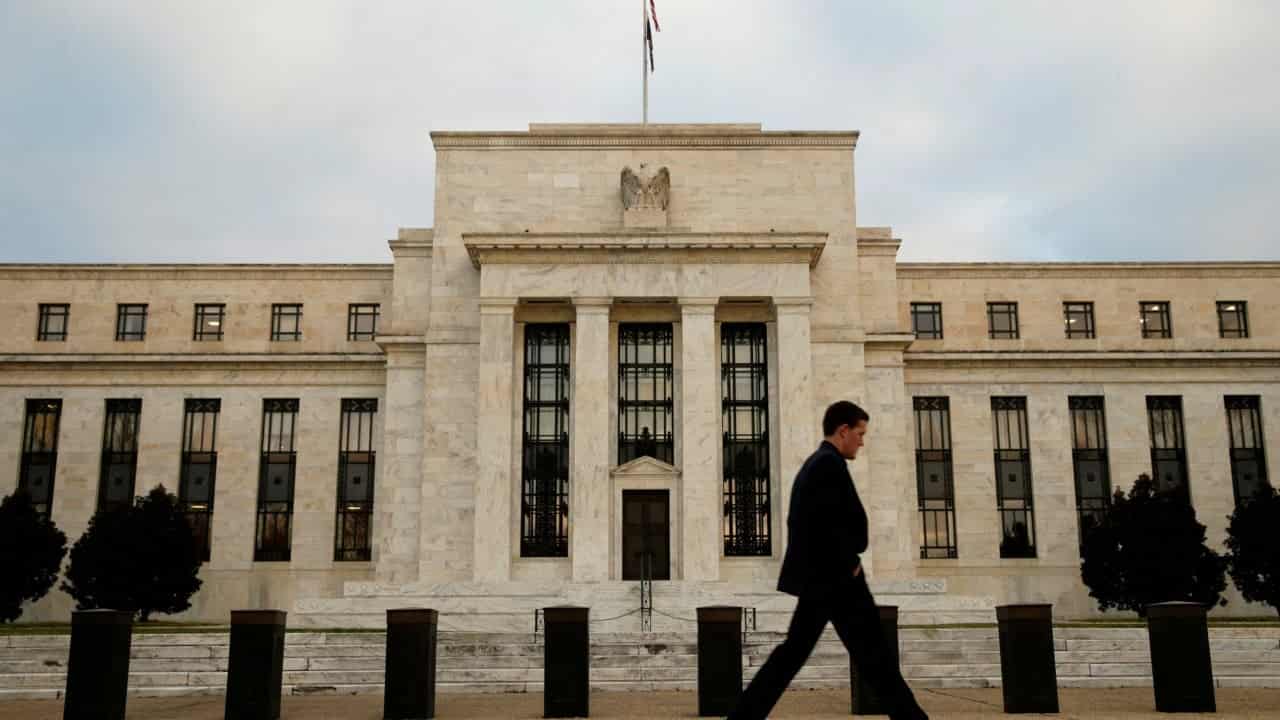
The Federal Reserve on Wednesday raised its benchmark interest rate by 25 basis points to a range of 3.75%-4%, marking the first increase in over three years. The decision came despite opposition from President Donald Trump, who had advocated for lower rates. Fed Chair Kevin Warsh cited persistently high inflation as the reason for the move, stating it was a "sober" and "responsible decision" to ensure price rises do not broaden across the economy.
Higher interest rates increase borrowing costs for consumers and businesses but can boost savings returns. While the Fed leadership expressed "an attitude of optimism," Warsh acknowledged that inflation has been above target for more than five years. He noted that the strong jobs market and wider economy allow the Fed to focus on price stabilization, which would benefit those least well off.
President Trump publicly criticized the decision, posting on social media that rates should be "1%, or less." A White House press secretary stated that the administration reiterates its commitment to the Fed's independence but acknowledged Trump's right to voice opinions. Warsh emphasized the Fed's independence, stating they "stay in our lane."
Major US banks, including JP Morgan, KeyCorp, and BNY, responded by raising their prime lending rate to 7% from 6.75%. This move will likely affect rates on credit cards and personal loans. While mortgage costs have climbed, they remain below 2023 peaks, with average 30-year fixed deals at 6.76% and 15-year deals at 6.09%. Many homeowners with existing fixed-rate mortgages will not see their monthly payments change.
Policymakers at the Fed anticipate further rate hikes before the end of the year, with projections suggesting rates could reach 4-4.25%. Some expect rates to rise to 4.25-4.5% next year before potential cuts begin in 2028 and 2029. Inflation is forecast to ease steadily to the Fed's 2% target by 2029. The US action follows similar moves by the European Central Bank and precedes an anticipated decision by the Bank of England.