Key facts
- The Federal Reserve raised interest rates by 0.25 percentage points to a range of 3.75%-4.00%.
- 16 of 18 Fed policymakers expect at least one more rate hike by year-end.
- The Fed's policy rate is projected to reach 4.00%-4.25% by the end of 2026.
- Inflation is projected to be 3.7% this year, returning to the 2% target in 2029.
- The unemployment rate is expected to end the year at 4.1%.
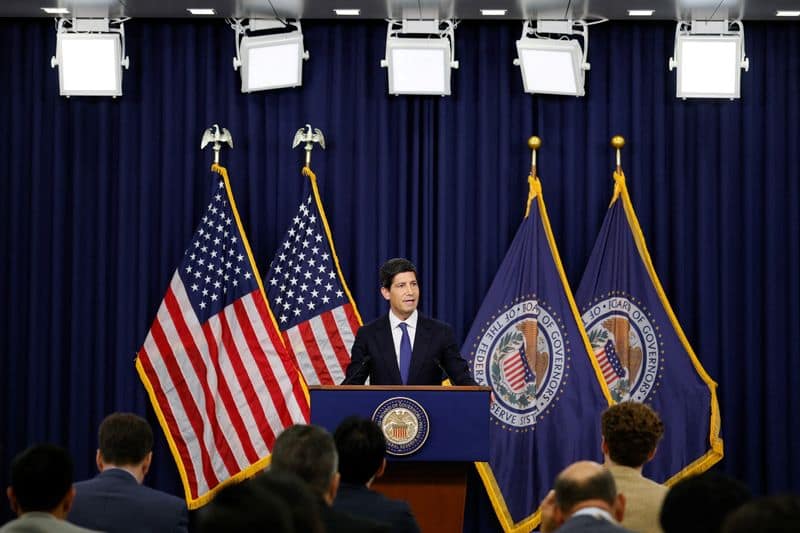
The Federal Reserve raised its benchmark overnight interest rate by a quarter percentage point to the 3.75%-4.00% range on Wednesday, signaling a commitment to further tightening to combat persistent inflation. This marks the first policy shift under new Fed chief Kevin Warsh. New policy projections released after the two-day meeting showed that 16 out of 18 policymakers anticipate at least one more quarter-percentage-point hike by the end of this year, with only two expecting rates to remain stable. The Fed's statement indicated the policy rate could rise to the 4.00%-4.25% range by the end of 2026 and remain at that level through 2027. The central bank aims for a "timelier return to the Committee's 2% goal." The Fed dropped a previous reference to "supply shocks" as the primary driver of elevated inflation, acknowledging broader price pressures. Warsh told a news conference that "inflation is too high, and has been for too long" and that "underlying trends have not meaningfully improved." Policymakers also revised their economic projections upward, slightly increasing the estimate for economic growth to 2.3% from 2.2% and projecting the unemployment rate to end the year at 4.1%, down from 4.3% previously. Inflation, measured by the Personal Consumption Expenditures Price Index, was marked up to 3.7% from 3.6%, with a return to the 2% target now not expected until 2029. The rate increase comes less than two months before midterm elections, with voters expressing anger over rising gasoline prices and mortgage rates, which are approaching 7% for a 30-year fixed-rate mortgage.