Key facts
- The Federal Reserve increased its benchmark interest rate by 25 basis points to a target range of 3.75%-4%.
- This is the first rate hike by the central bank since July 2023.
- New projections indicate that 16 of the 18 Federal Reserve policymakers expect at least one additional quarter-percentage-point increase by the end of the year.
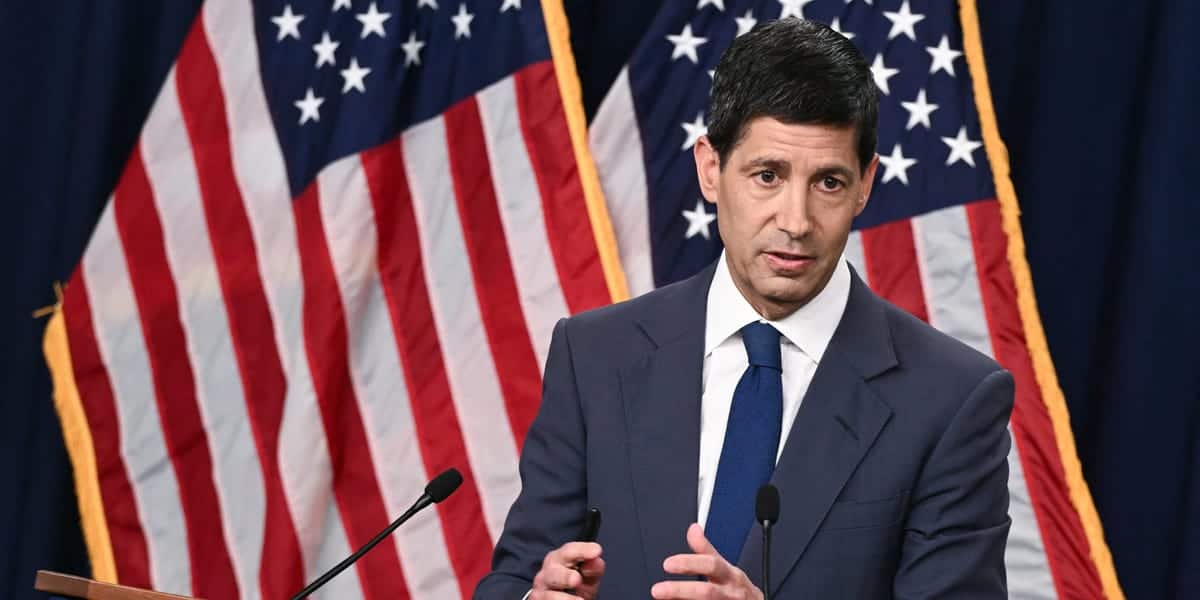
- Fed Chair Kevin Warsh stated the decision was not a response to market conditions.
- Warsh noted that the Fed is monitoring AI growth but will leave regulation to other government branches.
- Warsh emphasized the global impact of Fed policy and the importance of central bank independence.
The Federal Reserve raised interest rates by 25 basis points to a range of 3.75%-4%, marking the first increase since July 2023. Fed Chair Kevin Warsh stated the decision was not a reaction to current market conditions, emphasizing the central bank's commitment to price stability as foundational to economic growth. Warsh acknowledged the Fed's close monitoring of AI growth but deferred regulatory decisions to other government bodies. He also highlighted the global implications of the Fed's policy choices, noting that many countries are grappling with high inflation. The Fed Chair stressed the importance of maintaining the central bank's independence by focusing on monetary policy and allowing other branches of government to handle trade and fiscal matters. In response to the announcement, long-end Treasury yields initially fell, while short-end yields rose. The 2-year US Treasury yield, highly sensitive to Fed policy, increased by 5 basis points to 4.71%. Market movements wavered following Warsh's remarks, with stocks turning mostly lower. Analysts noted that much of the tightening risk may already be priced into the market, with the focus shifting to whether this hike is a singular event or the beginning of further increases.