Key facts
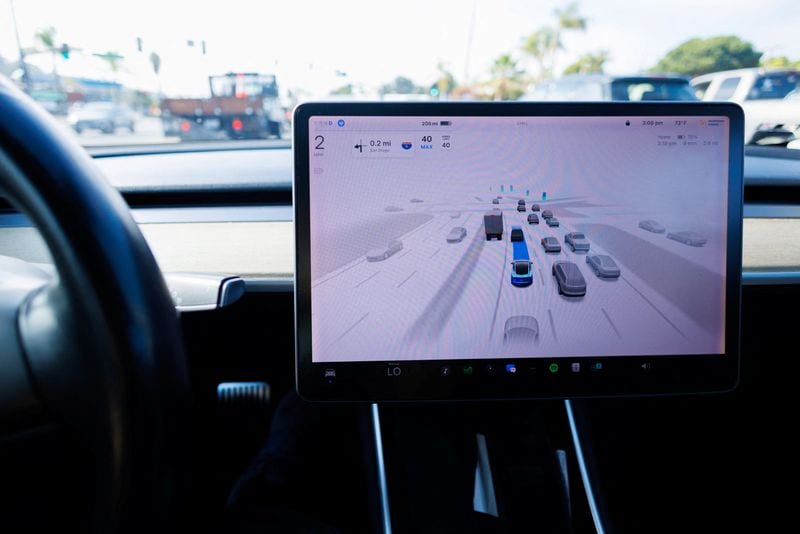
- The Netherlands' road regulator RDW has approved Tesla's Full Self-Driving (FSD) system.
- RDW is withholding details on its FSD safety evaluation, citing commercial secrets at Tesla's request.
- Tesla has actively pushed for confidentiality regarding its FSD safety data with European regulators.
- Several other European countries, including Germany, Norway, and Denmark, have also cited trade secrets for withholding FSD data.
- Experts and advocacy groups express concern that withholding this information compromises public safety.
- France has indicated it will not approve FSD in its current form due to safety concerns.
European regulators are keeping the safety data for Tesla's Full Self-Driving (FSD) system confidential, a decision influenced by the automaker's demands for secrecy. The Netherlands' road regulator, RDW, which approved FSD four months ago and is advocating for its adoption across the EU, stated that releasing evaluation details would violate Tesla's commercial secrets. This stance has been met with criticism from transportation-safety experts and advocacy groups who argue that such information is crucial for public safety and should not be shielded under trade secret claims.
According to previously unreported email correspondence obtained by Reuters, Tesla has been pressing the RDW for confidentiality since late 2024. The RDW announced in April that it had concluded FSD is 'safer than other driver assistance systems,' a statement later revised to 'at least as safe,' without providing supporting data. The agency is now seeking EU-wide approval for FSD, with a vote anticipated in October.
Concerns about transparency extend beyond the Netherlands. Regulators in Germany, Norway, and Denmark also cited trade secrets when refusing to release data on FSD testing or performance. Norway's Public Roads Administration noted that the data European regulators reviewed indicated Tesla's published safety statistics were inflated. France has stated it will not approve FSD in its current form due to safety concerns, while Finland's agency highlighted issues with its operation on challenging roads and the potential for drivers to safely retake control.