Key facts
- The EU is expected to approve a 28.3-billion-euro defense loan for Ukraine on September 11.
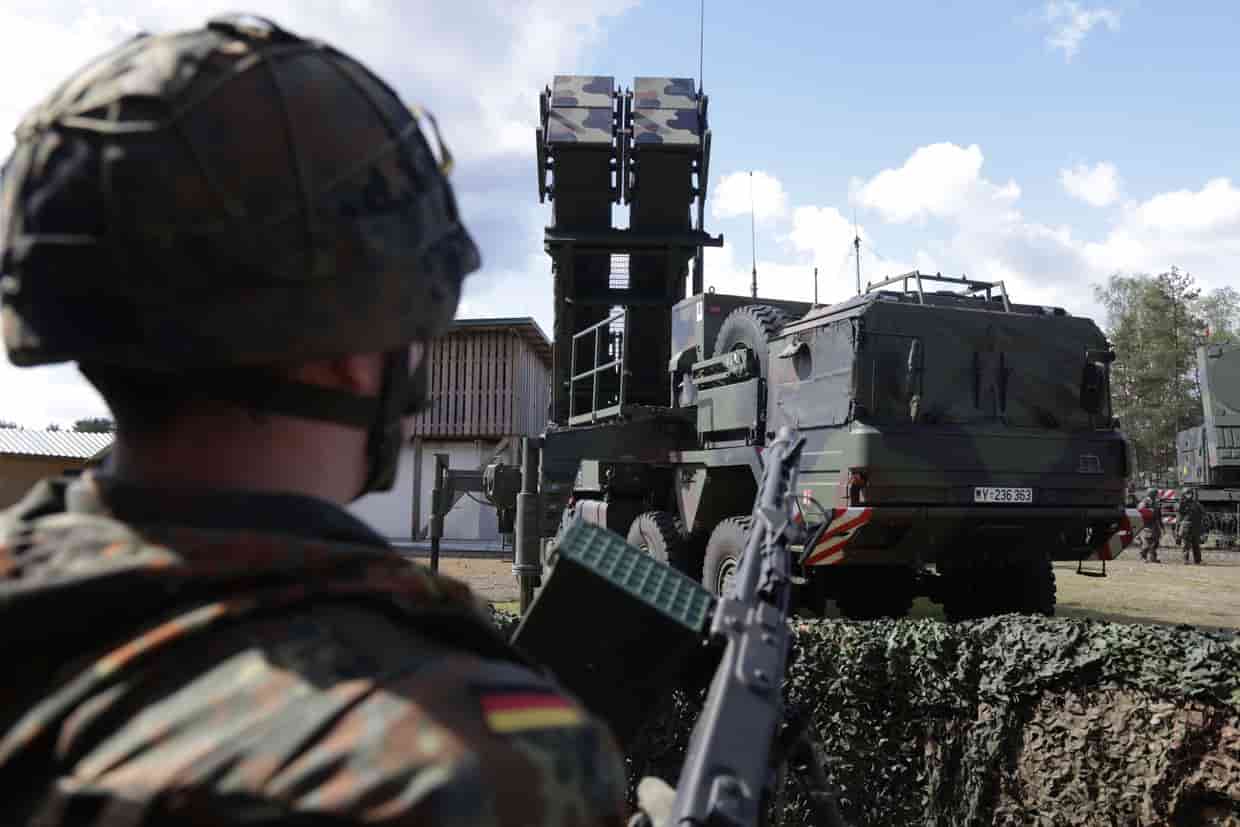
- The loan includes funding for U.S.-made Patriot PAC-3 interceptor missiles.
- Ukraine is preparing to sign contracts for approximately 1,000 Patriot missiles.
- The EU's loan terms require 65% of components to be sourced from the EU, Ukraine, or Norway, necessitating an exception for the Patriot purchase.
- The approval will also greenlight an additional 6 billion euros in Ukrainian defense spending plans.
- Ukraine has received 8.4 billion euros of the total loan to date.
The European Commission is expected to approve the final 28.3-billion-euro ($33-billion) tranche of this year's defense loans for Ukraine on September 11, which includes funding for U.S.-made Patriot missiles. This decision is critical for Ukraine's defense capabilities against Russian attacks. The EU's loan terms require at least 65% of components to originate from the EU, Ukraine, or Norway, necessitating an exception for the U.S. Patriot missiles, a request reportedly submitted by then-Defense Minister Mykhailo Fedorov before his dismissal. The approval is also anticipated to greenlight an additional 6 billion euros ($7 billion) in Ukrainian defense spending plans. However, acquiring new interceptors faces challenges due to global shortages, and the jointly developed Freyja interceptor system is not expected to begin live testing until mid-2027. To date, Ukraine has received approximately 8.4 billion euros ($9.8 billion) of the total loan, with further disbursements contingent on EU verification of invoices and receipts.