Key facts
- EU foreign ministers have not yet agreed on the 21st package of sanctions against Russia.
- A decision on adding 250 individuals and entities to the sanctions list is expected.
European Union foreign ministers have not yet reached an agreement on the 21st package of sanctions against Russia, with discussions ongoing regarding a maritime services ban and restrictions on Russian liquefied natural gas. A decision on adding 250 individuals and entities to the sanctions list is anticipated.
The ongoing disagreements among EU member states over new sanctions against Russia highlight divisions within the bloc regarding the balance between economic interests and security concerns, potentially impacting the effectiveness of pressure on Moscow's war economy.
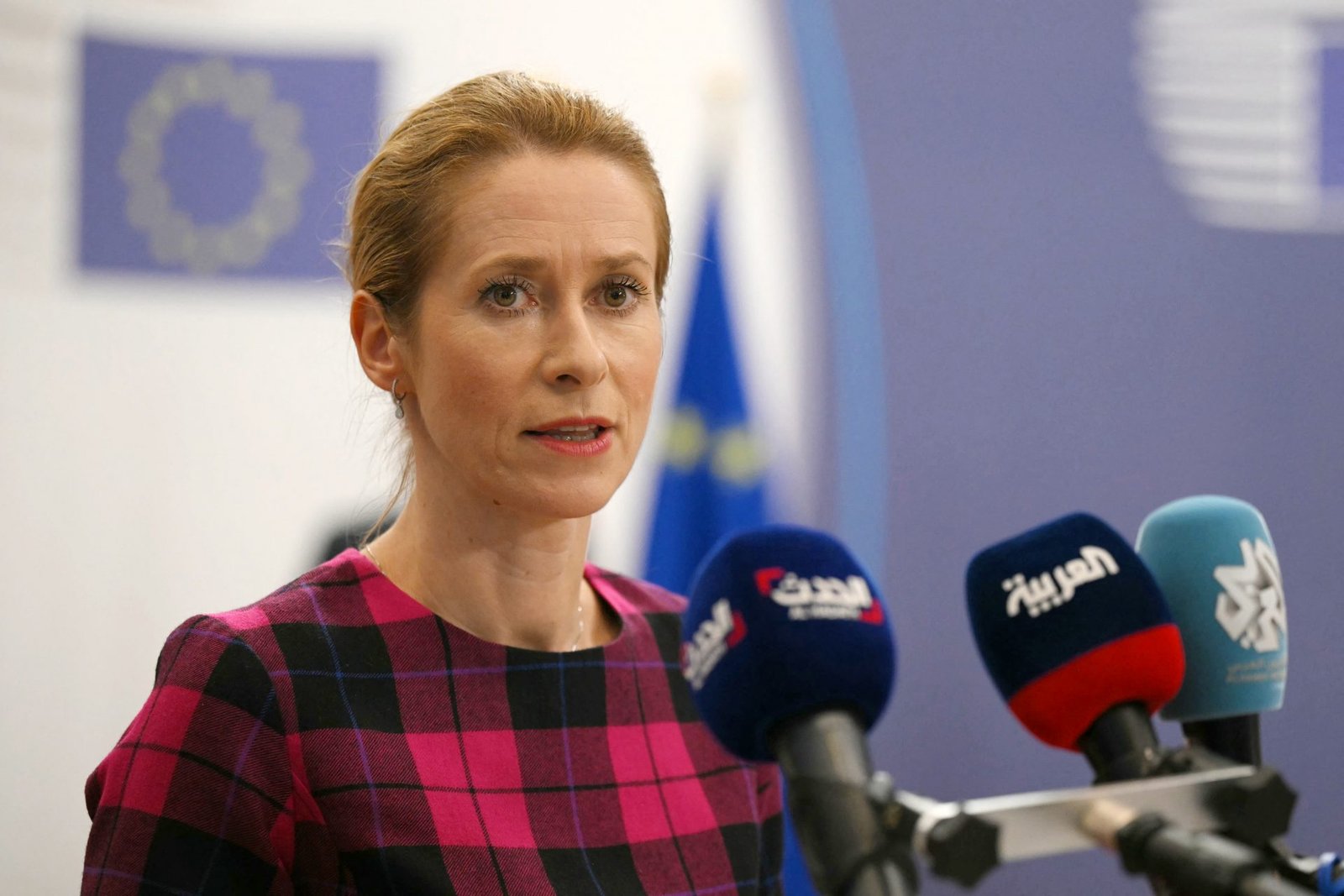
European Union foreign ministers are currently unable to reach a consensus on the 21st package of sanctions against Russia, according to EU foreign policy chief Kaja Kallas. While an agreement on adding 250 individuals and entities to the sanctions list is hoped for, "open questions" remain regarding the full package.
Discussions are ongoing concerning a proposed ban on maritime services and tighter restrictions on Russian liquefied natural gas. Lithuanian Foreign Minister Kestutis Budrys emphasized the need to prioritize security interests over economic ones, expressing concern over potential delays. Slovakia, through Prime Minister Robert Fico, has reiterated its opposition to the sanctions, using it as leverage to secure assurances regarding its gas supply.
Kallas expressed disappointment that the sanctions could not be finalized but remains hopeful for an agreement within the week, suggesting that Slovakia has received sufficient assurances from Brussels to reconsider its veto. The proposed sanctions package also includes a potential reduction of the price cap on Russian oil exports, with the European Commission suggesting a decrease from the current $60 per barrel to $45.
Pick the topics you care about. Get only what matters, on your cadence.