Key facts
- ESF is completing its through-train education model by linking kindergartens to primary schools.
The English Schools Foundation (ESF) in Hong Kong is completing its through-train education model by linking kindergartens with primary schools, guaranteeing a pathway from K1 through Year 13. This change, effective September 2026, aims to provide families with certainty in a competitive admissions landscape.
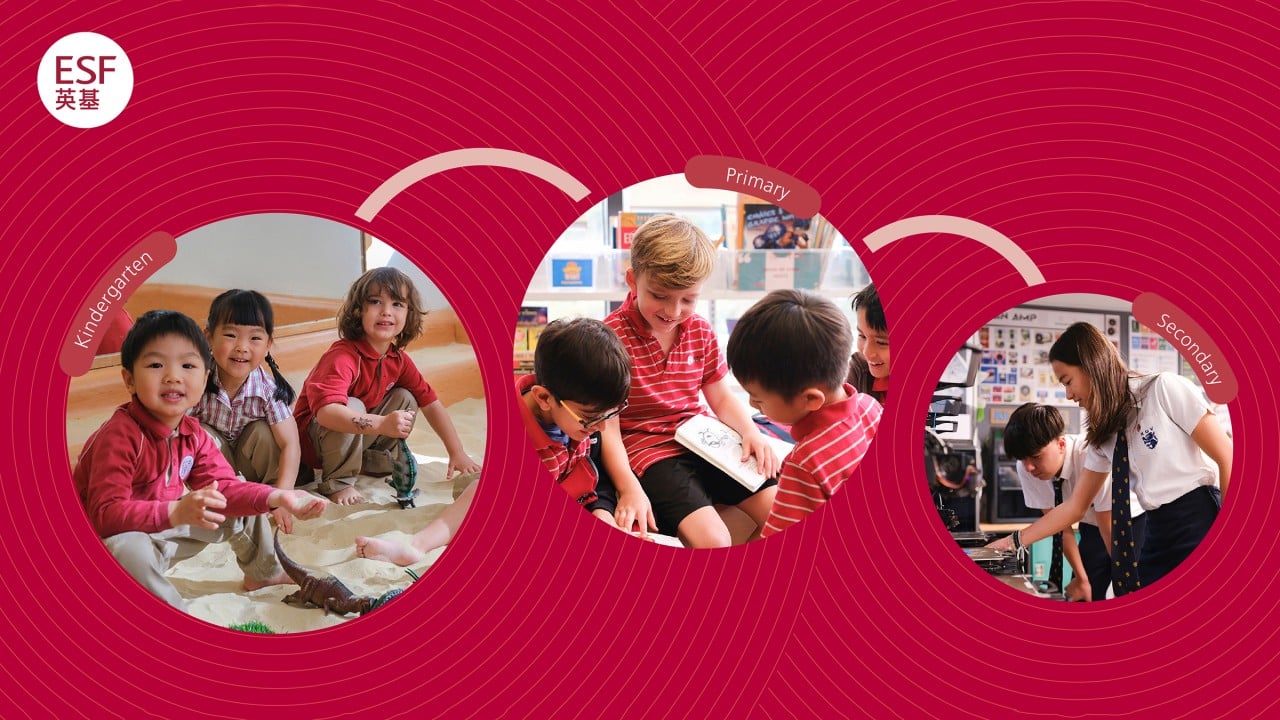
This initiative addresses significant parental anxiety in Hong Kong's competitive education market by offering a guaranteed, continuous educational pathway from early childhood to graduation, simplifying long-term planning for families.
The English Schools Foundation (ESF) in Hong Kong is set to finalize its comprehensive 'through-train' education model by formally linking its kindergartens with associated primary schools. This strategic move, effective from September 2026, will offer families a guaranteed educational pathway from kindergarten (K1) through to Year 13, effectively spanning 15 years.
Under the new Associated School Model, families applying for a K1 place for the 2027/28 academic year will be informed of their linked primary school at the point of entry. Successful completion of the kindergarten phase will ensure a guaranteed place at one of these designated primary schools. This initiative builds upon the 2019 reform that already linked ESF primary schools with their secondary campuses, creating a seamless transition from Year 6 to Year 7.
ESF Chief Executive Officer Belinda Greer stated that this development is a significant moment, providing students and families with a continuous learning pathway built on progression and continuity until graduation. The change is designed to alleviate the uncertainty and stress associated with Hong Kong's highly competitive international school admissions landscape, where families often apply to multiple institutions.
Beyond admissions security, the alignment is expected to foster closer collaboration between early years and primary educators. This integration aims to enhance understanding of each child's development, learning style, and ensure a smoother transition into primary education. ESF views this as a structural shift towards a more unified education system, enabling better coordination of specialist resources, learning support, and pastoral care.
Education observers suggest that such integrated systems can facilitate resource sharing and expertise. For students, the linked model is intended to manage transitional periods more effectively, reducing disruption and reinforcing a sense of continuity. The emphasis on early years education highlights its crucial role in long-term educational outcomes, with the integrated approach expected to strengthen curriculum alignment and foundational skill development.
Pick the topics you care about. Get only what matters, on your cadence.