Key facts
- Two deadly ferry accidents in Indonesia and the Philippines have raised maritime safety concerns.
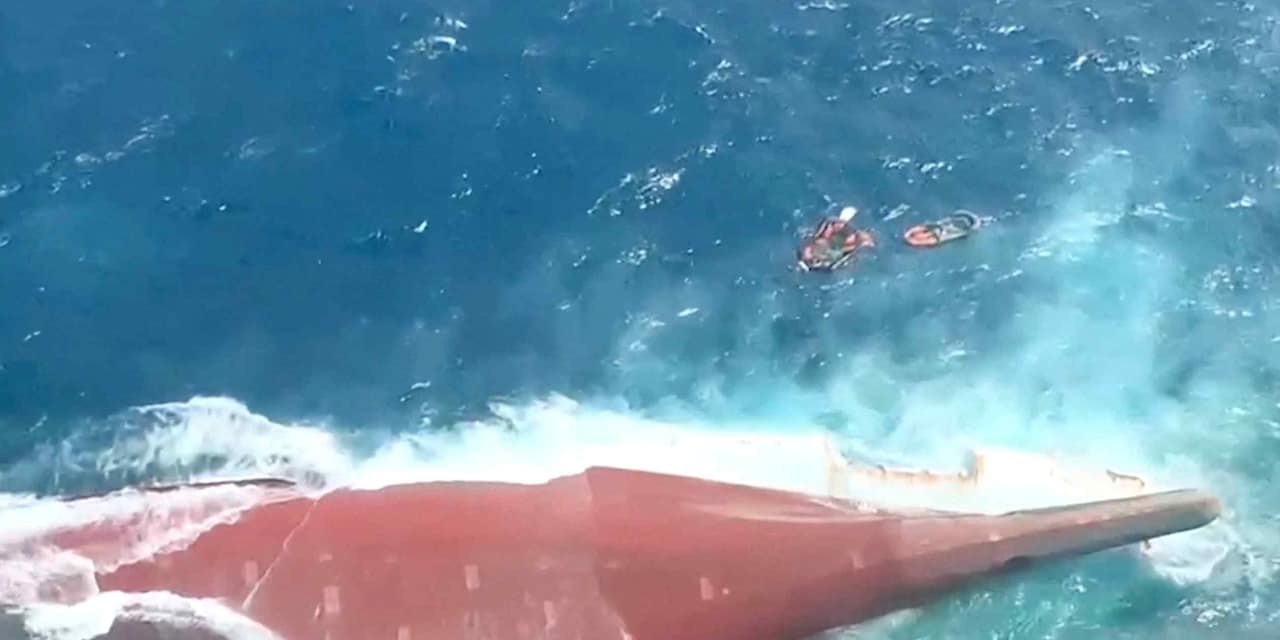
- A passenger ship carrying 243 people capsized in Indonesia's Java Sea, with six confirmed deaths and 129 missing.
- At least 76 people died when a ferry caught fire en route from Manila to Palawan, Philippines.
- Ferries are a vital transport network for millions in Indonesia and the Philippines.
Two fatal ferry incidents in Indonesia and the Philippines over the past week have renewed scrutiny of maritime safety across Southeast Asia. With Indonesia comprising more than 17,000 islands and the Philippines more than 7,600, ferries remain a vital — and sometimes hazardous — part of regional transport networks.
In Indonesia, a passenger ship carrying 243 people capsized in the Java Sea on September 13, 2026. Authorities reported six confirmed deaths and 129 people still missing. The Java Sea has been the site of other major air and maritime disasters.
In the Philippines, at least 76 people died after a ferry carrying more than 130 passengers caught fire on September 13, 2026, while en route from Manila to Coron in Palawan. Investigations into the cause of the blaze and the vessel's safety compliance are ongoing.
Other recent incidents include a ferry fire off Lombok, Indonesia, on August 12, 2026, which resulted in one fatality and over 200 rescues; a ferry fire off Madura Island, Indonesia, that led to five deaths; a boat capsizing off Vietnam's Phu Quoc island in July 2026, killing at least 15 Indian tourists; a vessel capsizing en route to the southern Philippine province of Sulu in January 2026, killing at least 18; and the December 2025 capsizing of a boat near Indonesia's Padar Island Strait, which killed Spanish soccer coach Fernando Martin and three of his children.
These incidents, a mix of capsizings and fires, highlight recurring safety challenges for passenger and tourist vessels in the region, including overcrowding, vessel maintenance, emergency preparedness, and enforcement of safety regulations. Authorities in affected countries have stated they will investigate individual incidents, while maritime safety advocates and the public are calling for stronger oversight and better emergency systems to prevent future tragedies.