Key facts
- Coty reported first-quarter sales of $1.56 billion, above LSEG estimates of $1.52 billion.
- First-quarter adjusted earnings came in at 16 cents per share, above estimates of 12 cents.
- Coty forecast second-quarter adjusted earnings per share of 16 cents to 18 cents, against an LSEG estimate of 16 cents.
- CFO Soraya Benchikh said Coty has built in continued Middle East cost impact and does not see it easing soon.
- Coty said Marc Jacobs delivered double-digit growth on its Daisy fragrance line and a Sephora makeup rollout.
- Coty withheld its annual forecasts last quarter and has not reinstated them in this report.
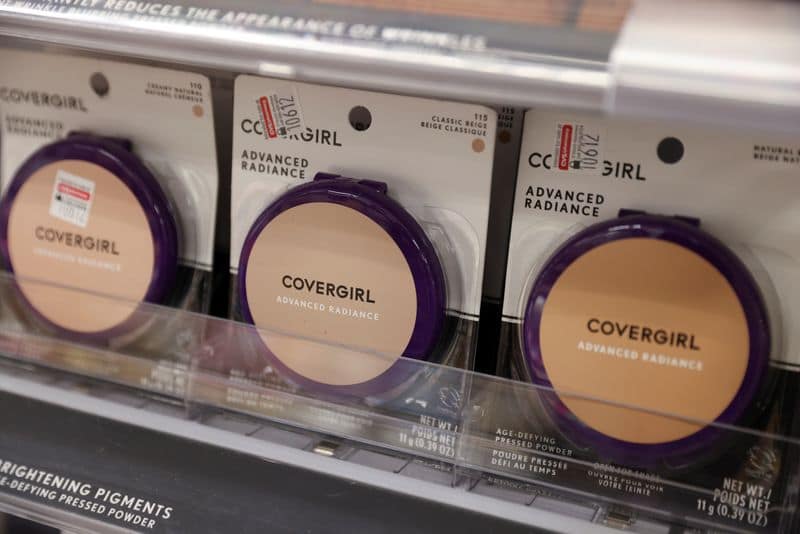
Coty reported first-quarter sales of $1.56 billion and adjusted earnings of 16 cents per share, both above LSEG estimates, the CoverGirl owner said in a report published November 4, 2026. The company guided second-quarter adjusted earnings per share to 16 cents to 18 cents, against an LSEG estimate of 16 cents.
The company said the prolonged conflict in the Middle East has forced it to contend with higher costs for materials including plastics, metal and packaging, as well as shipping delays. "We have built in continued impact from the Middle East. We don't see this easing off anytime soon," Chief Financial Officer Soraya Benchikh told Reuters, adding that Coty had incorporated the conflict into its outlook after withholding annual forecasts last quarter.
"We're not quite there. We still have a lot of work to do," Benchikh said of the turnaround. Benchikh assumed the CFO role in September, and Markus Strobel is interim CEO. Under Strobel, Coty has launched "Coty.Curated" to revive growth and profitability by focusing on its biggest brands, cutting costs and generating cash.
The cautious outlook overshadowed the first-quarter beat. Coty cited strength in prestige brands including Hugo Boss, Burberry, Calvin Klein and Marc Jacobs. Marc Jacobs, one of Coty's focus brands, delivered double-digit growth on its Daisy fragrance line and a rollout of its makeup range at Sephora stores, the company said.
Coty said demand for premium fragrances and skincare has held up, driven by spending among affluent consumers and younger shoppers on prestige beauty items, a trend it said also benefited peer Estee Lauder.