Key facts
- Negotiators stayed an extra day after the two-week COP31 summit was supposed to end on Friday.
- A draft final agreement drew condemnation for not mentioning fossil fuels, the Associated Press reported.
- The U.N. said before the talks the world will likely exceed the 1.5 degrees Celsius Paris goal.
- The United States did not participate directly in this year's talks, the report said.
- The next summit is scheduled for November 2027 in Addis Ababa, Ethiopia.
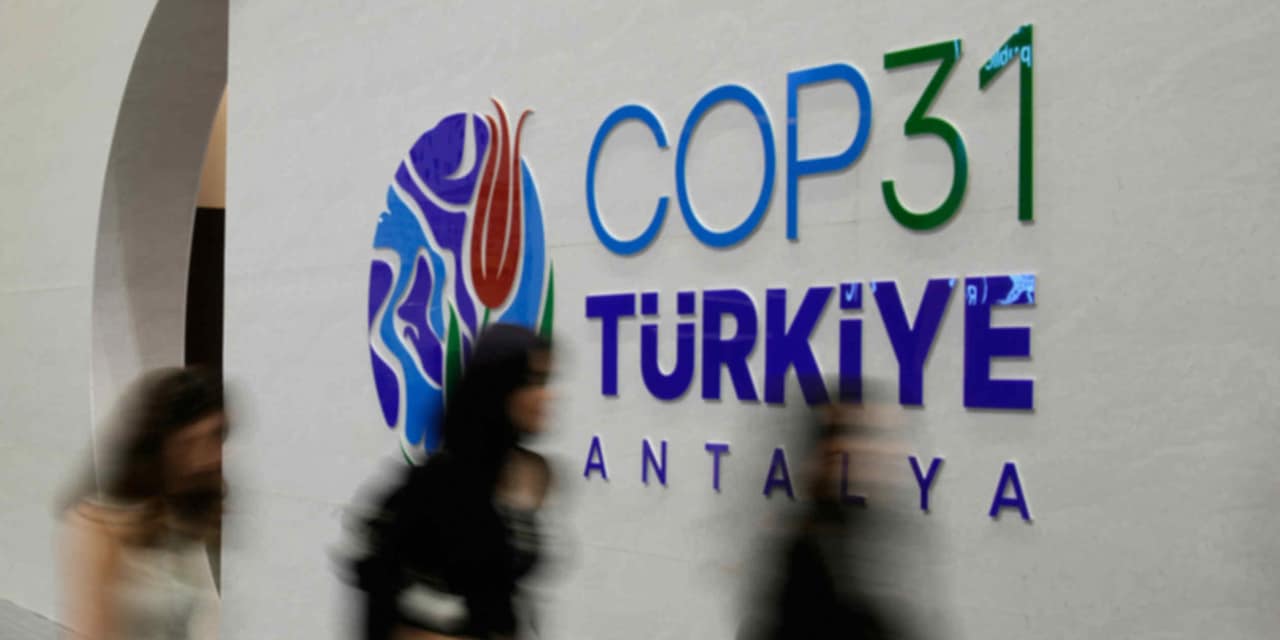
Negotiators at the COP31 United Nations climate summit in Antalya, Turkey, went into overtime on Saturday, November 21, after the two-week meeting failed to end as scheduled on Friday, the Associated Press reported. Work crews were packing up electronics and belongings in the venue's pavilions, where countries had showcased climate policies and hosted panel discussions, and hallways that had been busy were largely empty.
The added day followed condemnation from activists and some countries over a draft final agreement that did not mention fossil fuels. The final document is meant to set out how the world addresses climate change, which the report links to heat waves, floods and other disasters. Experts quoted by the AP said cutting emissions from coal, oil and gas is needed to avoid the worst effects of warming.
Ahead of the talks, the U.N. announced that the world will likely exceed the 2015 Paris Agreement goal of limiting warming to 1.5 degrees Celsius above pre-industrial temperatures. Teresa Anderson, global lead on climate justice at ActionAid International, said: "No one knows what is happening behind closed doors, or what the outcome of COP31 will be."
Rachel Cleetus of the Union of Concerned Scientists, at the venue in Antalya, described "a bleak overtime, with dwindling food and water, and no sign of any progress since the alarmingly underwhelming texts we saw earlier." Earlier in the summit, the nonprofit Climate Action Tracker warned that progress on slowing warming has stalled for five years while disasters, including heat waves in Europe and flooding in Nepal, have become more deadly.
Countries most vulnerable to climate change, including small island nations facing rising seas, say wealthy nations that caused the problem must contribute more to U.N. funds for disaster recovery and adaptation. The United States, described in the report as a major polluter and the world's largest economy, did not participate directly in the talks.