Key facts
- Moderna has initiated the first human trial for its experimental Bundibugyo Ebola vaccine, mRNA-1469.
- The vaccine uses mRNA technology and is being tested for safety and immune response in approximately 80 healthy adults.
- The Bundibugyo Ebola strain has caused over 1,650 deaths and currently has no approved vaccine.
- The ongoing outbreak in the Democratic Republic of Congo has resulted in 3,802 infections and 1,707 deaths.
- This outbreak is the second-largest on record and is progressing faster than the 2014-2016 West Africa epidemic.
- Moderna plans to supply at least 500,000 doses at access pricing to low- and middle-income countries if the vaccine is approved.
Moderna has initiated the first human trial for an experimental vaccine, mRNA-1469, designed to protect against the Bundibugyo strain of Ebola. This strain has been responsible for over 1,650 deaths and currently lacks an approved vaccine. Health Canada has cleared the early-stage study, with the first volunteers already receiving the shot, which utilizes the same mRNA technology as Moderna's COVID-19 vaccine.
The trial, to be conducted at three sites in Canada, aims to enroll approximately 80 healthy adults to evaluate the vaccine's safety and its ability to elicit an immune response. This effort is part of an expanded collaboration with the Coalition for Epidemic Preparedness Innovations (CEPI), which has committed up to $50 million to support the vaccine's initial testing and manufacturing.
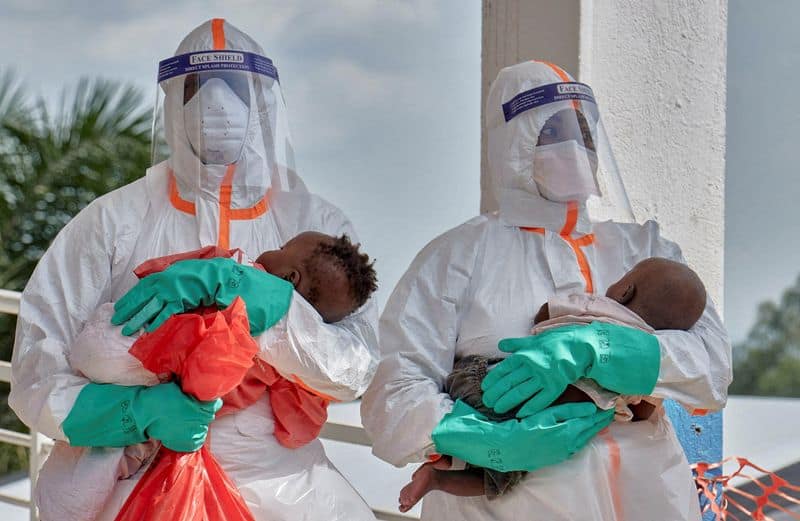
The Bundibugyo strain is driving the current outbreak in the Democratic Republic of Congo, which has recorded 3,748 confirmed cases and 1,657 deaths as of August 1, making it the world's second-largest Ebola outbreak on record. CEPI's chief executive, Richard Hatchett, noted that the cases are increasing at a faster rate than during the 2014-2016 West Africa Ebola epidemic. Both the World Health Organization and the Africa CDC have declared the current outbreak a public health emergency.
In parallel, Ebola response workers in eastern Congo have been protesting overdue salaries and allowances, reportedly nearly three months behind. These demonstrations, occurring in Bunia, Rwampara, and Mongbwalu in Ituri province, threaten to disrupt containment efforts. Police dispersed protesters in Mongbwalu, and workers have communicated their concerns to President Felix Tshisekedi, stating the situation jeopardizes the response. The Ebola response also faces challenges from security incidents, community mistrust, a brief blockage of a World Food Programme helicopter, and vandalism of an ambulance.