Key facts
- Duane "Keffe D" Davis has been found guilty of murder by a Las Vegas jury.
- Davis was accused of orchestrating the 1996 drive-by killing of rapper Tupac Shakur.
- Prosecutors argued Davis sought revenge after his nephew was beaten.
- Davis's own statements and appearances were key to the prosecution's case.
- Davis was convicted of murder for his role in the shooting, even though he did not pull the trigger.
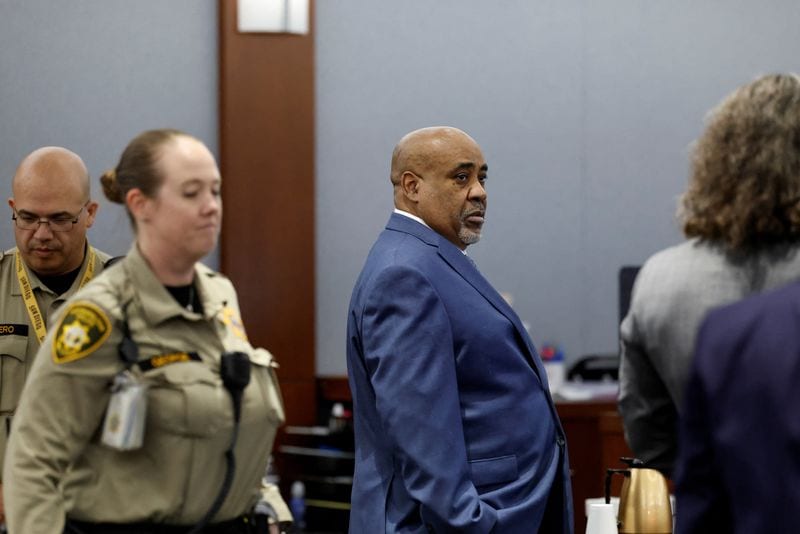
A Las Vegas jury has convicted Duane "Keffe D" Davis, 63, of murder for orchestrating the 1996 drive-by shooting that killed rapper Tupac Shakur. Davis, a former leader of the South Side Compton Crips, was found guilty of murder with a deadly weapon. Prosecutors argued that Davis led a group to kill Shakur in retaliation for his nephew, Orlando “Baby Lane” Anderson, being beaten. The prosecution's case heavily relied on Davis's own public statements and recorded conversations where he admitted to his involvement and passing a gun to others. Davis's 2019 memoir, in which he described his role in the shooting, was a key factor leading to his prosecution. His defense argued that investigators had insufficient evidence and that Davis's account was exaggerated for personal gain. Shakur, then 25, was shot multiple times while in a car off the Las Vegas strip and died days later. The case had remained unsolved for decades, fueling numerous conspiracy theories. Sentencing for Davis is scheduled for October 13.