Key facts
- Defense lawyers argue Tyler Robinson should not face the death penalty for the murder of Charlie Kirk.
- Robinson's attorneys contend he hit his intended target and endangered no one else.
- Prosecutors allege Robinson targeted Kirk for his political views.
- A judge will rule on whether Robinson will stand trial for aggravated murder.
- Prosecutors presented evidence including an engraved bullet and a note allegedly written by Robinson.
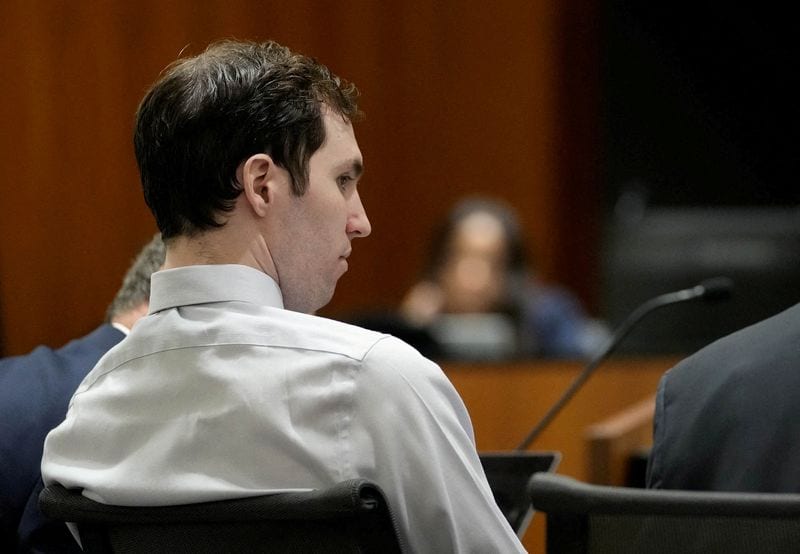
Defense lawyers for Tyler Robinson, accused of murdering conservative activist Charlie Kirk, are arguing against the death penalty ahead of a September 1 hearing. They contend that the single shot that killed Kirk did not create the "high probability" of death to others required for aggravated murder charges under Utah law. Prosecutors are seeking the death penalty, alleging Robinson knowingly endangered others by firing from a rooftop over 400 feet away and loading multiple rounds. Robinson, 23, turned himself in after the September 10, 2025, shooting at Utah Valley University and has not yet entered a plea. The case is being closely watched as it tests the state's handling of an alleged politically motivated killing of an ally of President Donald Trump.
Prosecutors presented evidence including an engraved bullet with the inscription "Hey Facist! CATCH!" and a handwritten note they allege Robinson left for his romantic partner, Lance Twiggs, stating he "had the opportunity to take out Charlie Kirk, and I took it." They also allege Robinson wrote in a text message about Kirk: "I had enough of his hatred. Some hate can’t be negotiated out." Robinson's attorneys have challenged the evidence, arguing prosecutors lack proof of political motivation and questioning the reliability of DNA tests linking Robinson to the weapon. Twiggs told investigators that Robinson expressed regret the day after the shooting and later posted "it was me at UVU yesterday" in an online chat room, according to investigators.
Judge Tony Graf has the option to send the case to trial on a lesser charge of murder, which carries a minimum sentence of 15 years and a maximum of life in prison, or dismiss the charges. The defense has focused on blocking the case from proceeding to trial on aggravated murder and getting the death penalty removed as a potential sentence.