Key facts
- Chinese brands led Japanese brands in new-vehicle sales share in 39 of 93 countries with maker-level data, per Nikkei's analysis of Mobility Global figures.
- In Germany, Chinese brands' share rose 2 percentage points from a year earlier to 6%, while Japanese brands fell 1 point to 5%.
- In Italy, Chinese brands' share rose 6 percentage points to 12%, led by Leapmotor, which increased EV sales 11-fold, per the report.
- In Brazil, Chinese brands' share rose 10 percentage points to 19%, overtaking Japanese brands.
- Chinese automakers' overseas sales rose 51% from a year earlier to 4.34 million vehicles in the first nine months of 2026, per the report.
- Japanese brands kept a higher share in 54 countries, including 32% in the US and 44% in India.
Chinese automakers held a larger share of new-vehicle sales than Japanese competitors in 39 countries in the first nine months of 2026, Nikkei reported on November 22, 2026, citing its analysis of data from US research firm Mobility Global covering 93 countries where sales can be tracked by manufacturer.
Chinese brands moved ahead of Japanese brands in 14 markets during the period, eight of them in Europe. In Germany, Europe's largest auto market, the Chinese share rose 2 percentage points from a year earlier to 6%, while the Japanese share fell 1 point to 5%. BYD, China's largest electric-vehicle maker, more than tripled its sales in Germany, according to the report.
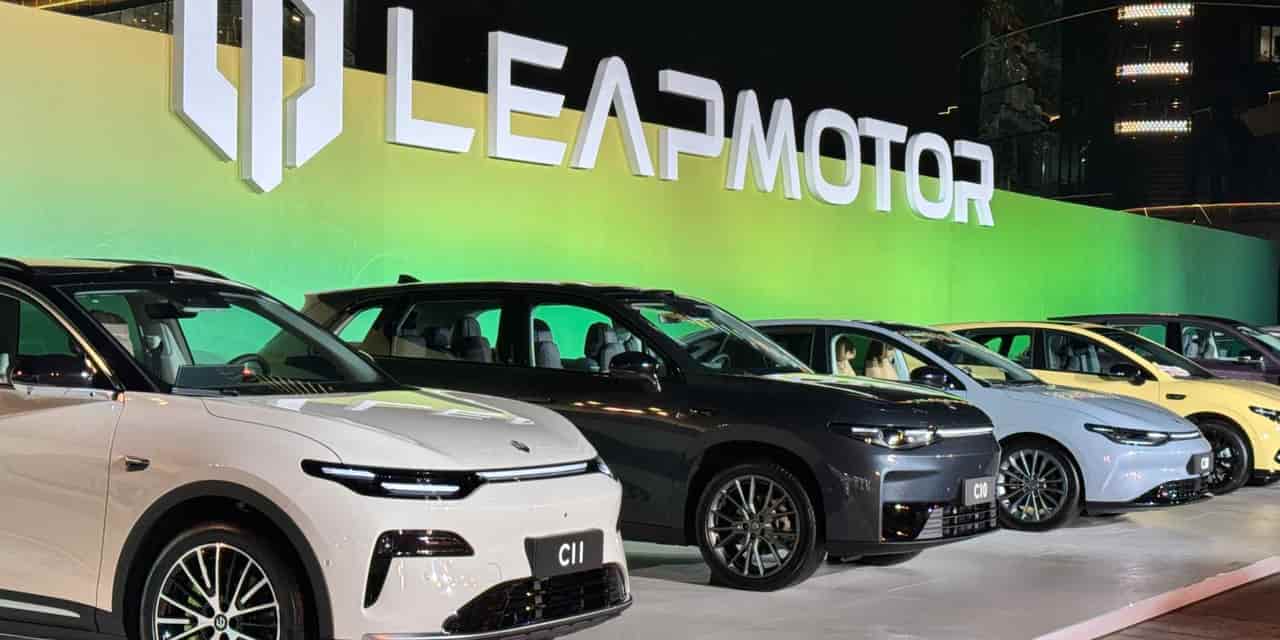
In Italy, the Chinese share rose 6 percentage points to 12%, with Leapmotor Technology, which has a partnership with Stellantis, driving growth as its EV sales rose 11-fold. In Brazil, the Chinese share rose 10 percentage points to 19%, overtaking Japanese brands.
Nikkei attributed the gains to electric-vehicle demand as oil prices rose, which it said curbed appetite for gasoline vehicles. Chinese automakers' overseas sales rose 51% from a year earlier to 4.34 million vehicles in the first nine months of 2026, the report said.
In Southeast Asia, where Japanese brands have held the market for more than half a century, Thailand's Japanese share fell 8 percentage points to 56% while the Chinese share rose 11 points to 32%, narrowing the gap by about 20 points in a year. Across Southeast Asia, the Japanese share fell 6 points to 54% and the Chinese share rose 7 points to 18%, the report said. BYD began operating a plant in Indonesia with annual capacity of 150,000 vehicles in September, according to the report.
Japanese brands still held a higher share than Chinese brands in 54 countries, including 32% in the US on hybrid demand and 44% in India, the report said. Nikkei said that if Japanese automakers cannot halt the share decline, falling sales and weaker profitability could repeat in a cycle.