Key facts
- Young Chinese are finding guidance in the Long March spirit to navigate modern uncertainties.
- A film, "Crossing," aims to connect younger generations with the Long March's historical significance.
- Ecological restoration projects are presented as modern manifestations of the Long March's long-term vision.
- Student volunteers participated in the film's production, experiencing aspects of the historical struggle.
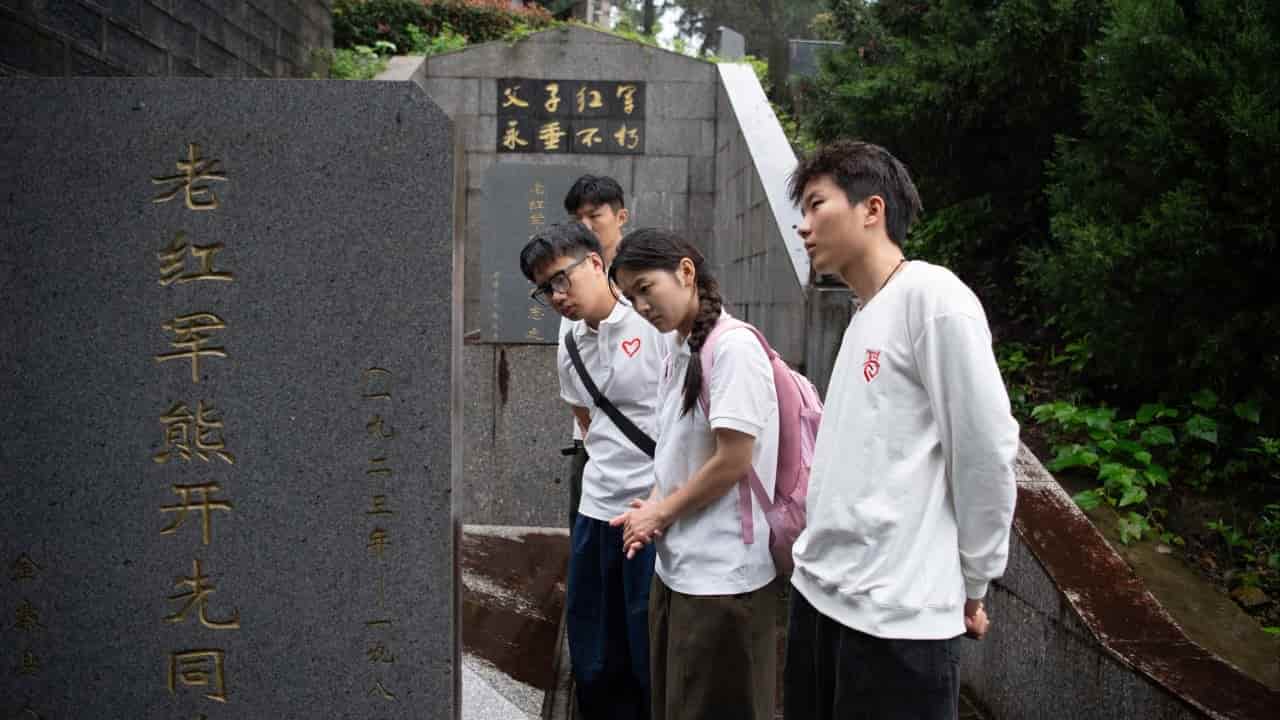
As China commemorates the 90th anniversary of the Long March victory, young Chinese are finding parallels between the historic journey and their own modern-day uncertainties. Lyu Leiyiyi, a 22-year-old student, stated that the spirit of the Long March offers stability amid rapid changes.
The Long March, completed by the Chinese Workers' and Peasants' Red Army, is increasingly framed not just as a military feat but as a testament to strategic alertness, resilience, and long-term vision. This historical event laid the groundwork for China's modernization.
Contemporary analyses highlight how China's modernization strategy translates into policy frameworks for poverty reduction, infrastructure, healthcare, and environmental protection. Examples include the 10-year fishing ban on the Yangtze River, the Saihanba forest farm's afforestation, and Zhejiang's Green Rural Revival Program, all demonstrating a commitment to high-quality development and ecological preservation.
The film "Crossing" aims to bring the Long March's spirit to life for a new generation by depicting the "Four Crossings of the Chishui River." The production involved nearly 2,000 student volunteers from Guizhou, who experienced aspects of the historical struggle. Producer Andrew Lau praised these volunteers as a modern reflection of the Red Army soldiers. The film's dual narrative structure, juxtaposing military commanders with ordinary soldiers, humanizes the historical figures and emphasizes their resilience and ideals.