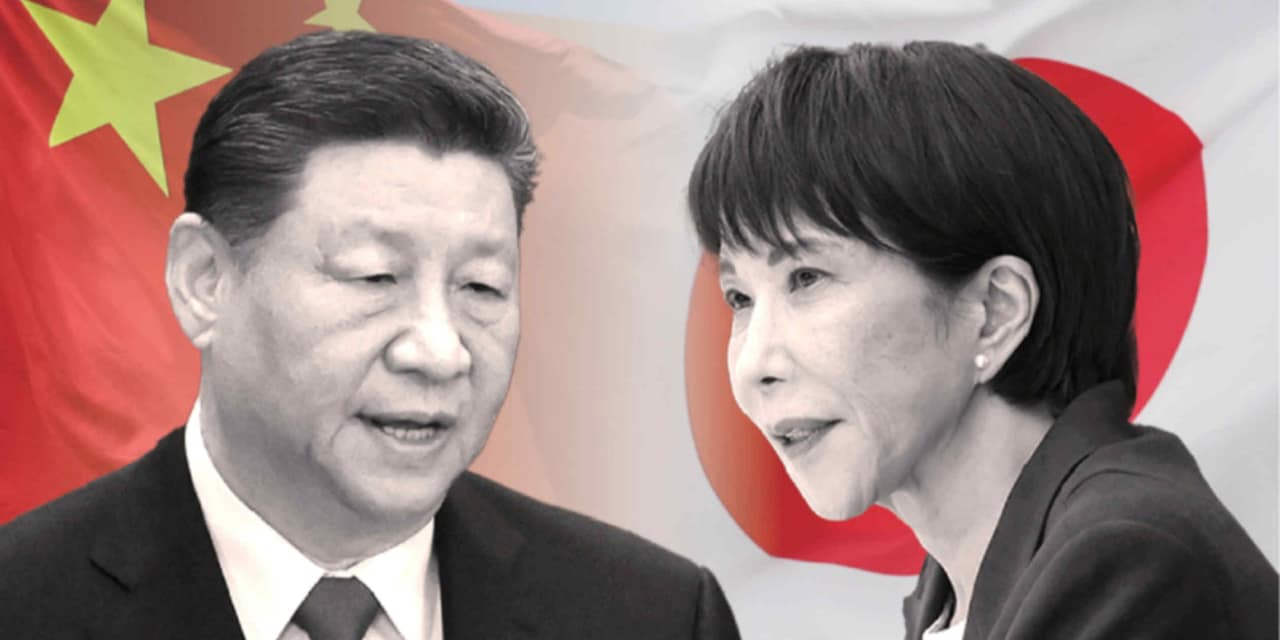
China's assertions that Japan is pursuing a "new militarism" are finding resonance among countries allied with Beijing, extending beyond Russia and North Korea to nations like Pakistan and Bangladesh. This diplomatic push follows comments made by Japanese Prime Minister Sanae Takaichi in November regarding a hypothetical Taiwan emergency.
Japanese Defence Minister Shinjiro Koizumi has refuted these claims, emphasizing Japan's post-World War II adherence to international law and its commitment to a "free and open international order." He contrasted Japan's defensive posture with China's own military buildup, accusing Beijing of lacking transparency. Koizumi noted that Japan possesses neither nuclear weapons nor strategic bombers, questioning the basis for the "new militarism" label.
China's Ministry of Foreign Affairs had previously urged Asia Pacific countries to be vigilant against Japan's "neo-militarism." At the Shangri-La Dialogue, Chinese delegate Major General Meng Xiangqing questioned Japan's credibility on defense cooperation due to its historical militarism.
Tensions between the two East Asian neighbors have been particularly strained since Takaichi's warning that a hypothetical Chinese attack on Taiwan could prompt a Japanese military response. China considers Taiwan its own territory.
Despite the heightened rhetoric, Koizumi reaffirmed Japan's openness to dialogue, though he lamented China's absence of its defense minister at the Singapore forum. Japan has also been reshaping its defense policy, with its cabinet recently scrapping a long-standing ban on lethal weapons exports.