Key facts
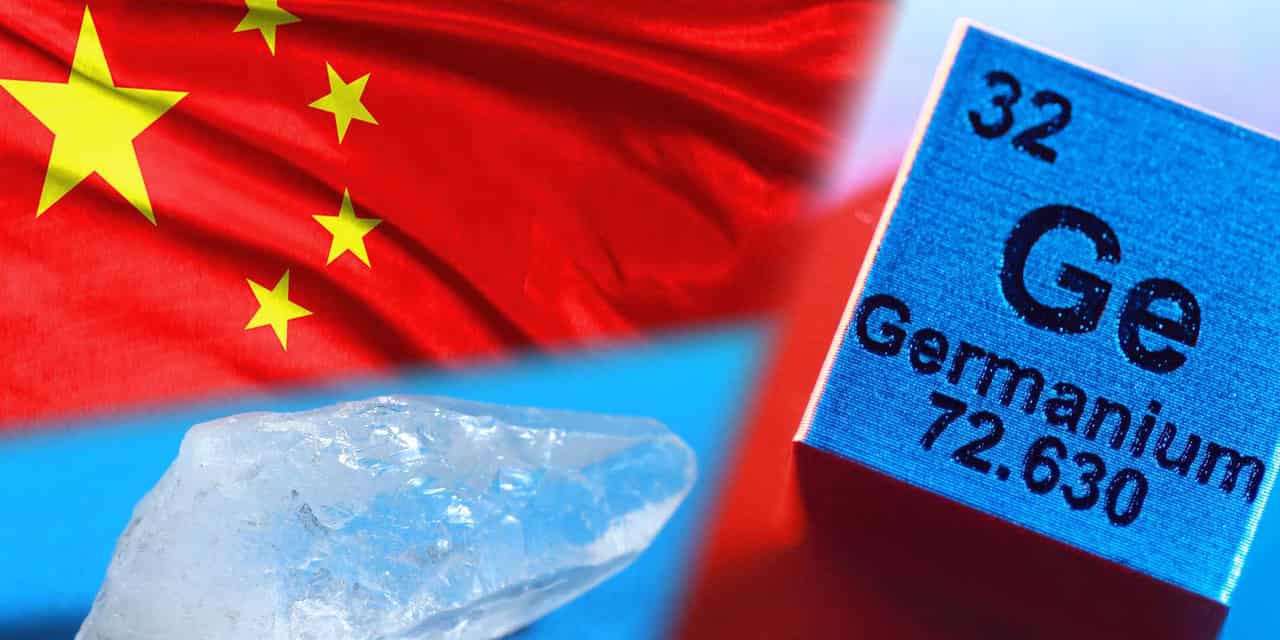
- China is reportedly restricting or delaying exports of key aerospace and optical materials to Taiwan.
- Germanium, quartz-based materials, and magnets are among the affected products.
- These restrictions are creating supply chain bottlenecks for Taiwan's tech sector.
- China previously imposed export controls on dual-use items targeting U.S. and EU firms.
- The International Energy Agency warned of significant global production risks due to China's export policies.
China is reportedly implementing restrictions or delays on exports of critical aerospace and optical materials, including germanium, quartz-based products, and magnets, to Taiwan. This move is creating significant supply chain challenges for Taiwan's vital technology industries.
The escalation follows previous actions by Beijing, such as tightened export restrictions on dual-use items for 10 U.S. companies on June 22, 2026, and blocked shipments to 14 firms across the European Union. China's Ministry of Commerce (MOFCOM) has also formalized a reporting mechanism for suspected export violations.
These actions are part of a broader pattern of China tightening its control over critical mineral exports. In April 2025, China announced export restrictions on heavy rare earths and permanent magnets, which caused disruptions in allied defense and industrial supply chains. While a one-year truce on export restrictions was agreed upon between the U.S. and China in late 2025, the current situation indicates a return to stricter measures.
The International Energy Agency has previously warned that the full enforcement of China's export rules could put $6.5 trillion of downstream production at risk worldwide, with the United States and Europe bearing a significant portion of that exposure. Gallium, germanium, and rare earth elements are crucial components in hardware supply chains, used in polishing compounds, RF chips, magnets, and optical components.