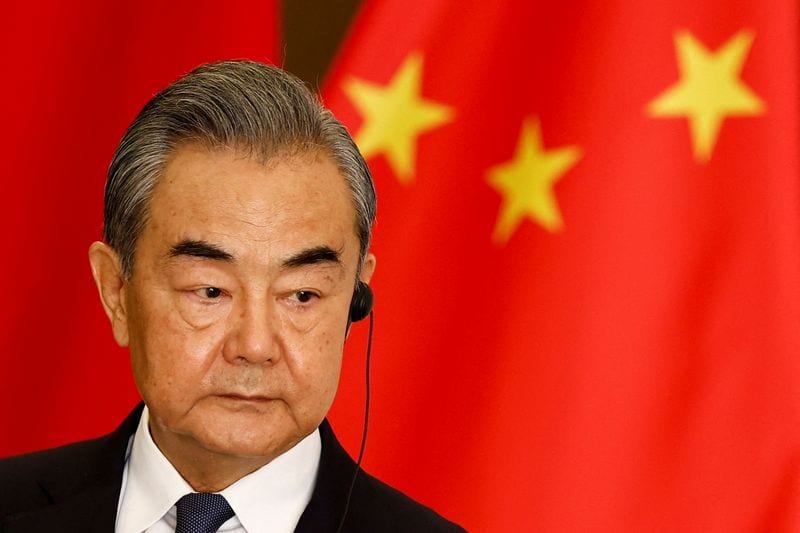
China and Indonesia have agreed to strengthen military ties and deepen cooperation across various sectors, including minerals, energy, and technology. The agreement was formalized during a visit by China's Foreign Minister Wang Yi and Defense Minister Dong Jun to Jakarta, where they met with their Indonesian counterparts.
This development occurs as Indonesia pursues a 'free and active' foreign policy, aiming to maintain balanced relationships with both China and the United States. China's top diplomats emphasized building high-level cooperation and mutual support for core interests, highlighting the complex international landscape characterized by unilateralism and hegemonic actions.
The two nations pledged collaboration in areas such as artificial intelligence, defense, rail transport, green energy, satellites, and fisheries. Indonesian Defense Minister Sjafrie Sjamsoeddin indicated an increase in defense activities, including joint exercises and industry partnerships. This comes after a recent joint naval exercise between China and Indonesia east of Taiwan, which analysts noted could carry political messaging.
Economically, China is a significant investor in Indonesia, contributing $3.9 billion in foreign direct investment in the first half of 2026. However, Chinese companies have voiced concerns regarding stringent regulations, high taxes, and a new nickel pricing formula, which they argue are increasing costs and threatening investment. These concerns were communicated through the China Chamber of Commerce in Indonesia.