Key facts
- China's industrial output grew 4.5% year-on-year in May, surpassing forecasts.
- Retail sales contracted 0.6% in May, marking the first monthly decline since December 2022.
- Fixed-asset investment fell 4.1% in the first five months of the year.
- Property investment declined 16.2% in the first five months of the year.
- The national jobless rate eased to 5.1% in May.
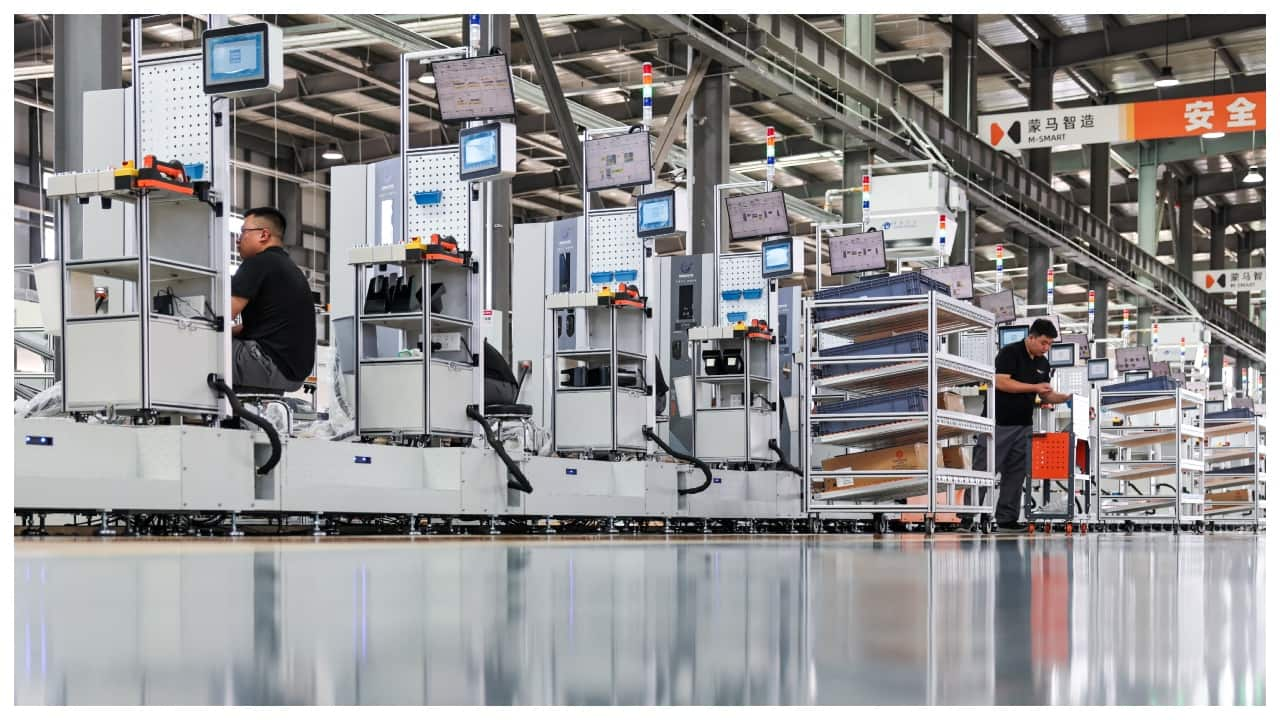
China's economy in May displayed a significant imbalance, with industrial production showing resilience while domestic consumption and investment faltered. Industrial output increased by 4.5% year-on-year, exceeding the 4.3% forecast and improving from April's 4.1% growth, bolstered by demand for artificial intelligence and strong exports.
However, retail sales, a key indicator of consumer spending, fell 0.6% in May, marking the first monthly contraction since December 2022. This decline in consumption is attributed to softening demand, particularly for big-ticket items like automobiles and home appliances, and the diminishing impact of government stimulus. The ongoing property crisis also continued to dampen consumer sentiment and spending on related goods.
Fixed-asset investment also underperformed, declining 4.1% in the first five months of the year, a steeper fall than the 1.6% contraction in the prior period. Property investment continued its significant downward trend, falling 16.2% in the same period.
The labor market saw a slight improvement, with the national jobless rate easing to 5.1% from 5.2% in April. Equipment manufacturing grew 9.5%, contributing nearly 80% of total industrial output growth, with the electronics sector surging 17% due to AI supply chains.