Key facts
- China and the EU reached an understanding to curb hybrid exports.
- An initial annual quota of 350,000 vehicles with 6% yearly increases over four years is reported.
- BYD plans to build new factories in Europe.
- Chinese hybrid imports reached 378,000 vehicles in the first seven months of 2026.
- Average prices for Chinese hybrid imports were 17,900 euros.
- Chinese brands held 10.7% of Western Europe's passenger-car market in Q2 2026.
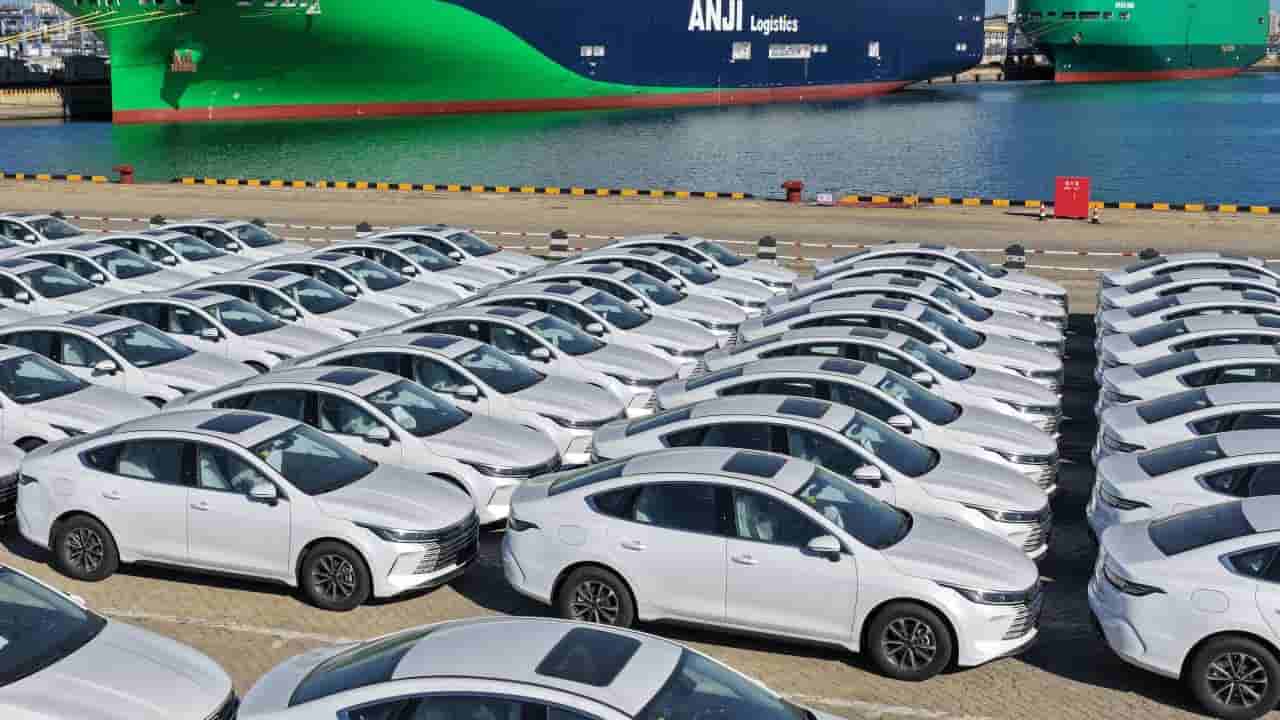
China and the European Union have reached an understanding to curb hybrid vehicle exports, a move that could reduce projected shipments by more than half over four years. The arrangement aims to alleviate concerns over trade imbalances and the impact of Chinese vehicle exports on European automakers.
Chinese hybrid imports to the EU have surged, reaching 378,000 vehicles in the first seven months of 2026, with average prices at 17,900 euros. This has led to a significant market share increase for Chinese brands. The deal includes a reported initial annual quota of 350,000 vehicles with 6% yearly increases.
BYD, SAIC, and Chery account for about 90% of these shipments. In response to trade barriers, BYD plans to build new factories in Europe, while other Chinese automakers are also pursuing localization strategies. The EU also agreed to improve market access for approximately €4 billion of European goods and smooth licensing for critical raw material exports.