Key facts
- Rooftop solar capacity in the Philippines is estimated to have almost doubled in the 12 months to April.
- Global rooftop solar capacity reached almost 1.2 terawatts by the end of 2025.
- Solar panels cost around 12 cents per watt today, down from $5-$6 per watt at the turn of the millennium.
- China's solar panel production capacity stands at roughly 1.36 terawatts.
- Ember estimates Africa will install around 17 gigawatts of new solar this year, mostly small-scale business installations.
- Residential solar panels in the Philippines can pay for themselves in just over three years.
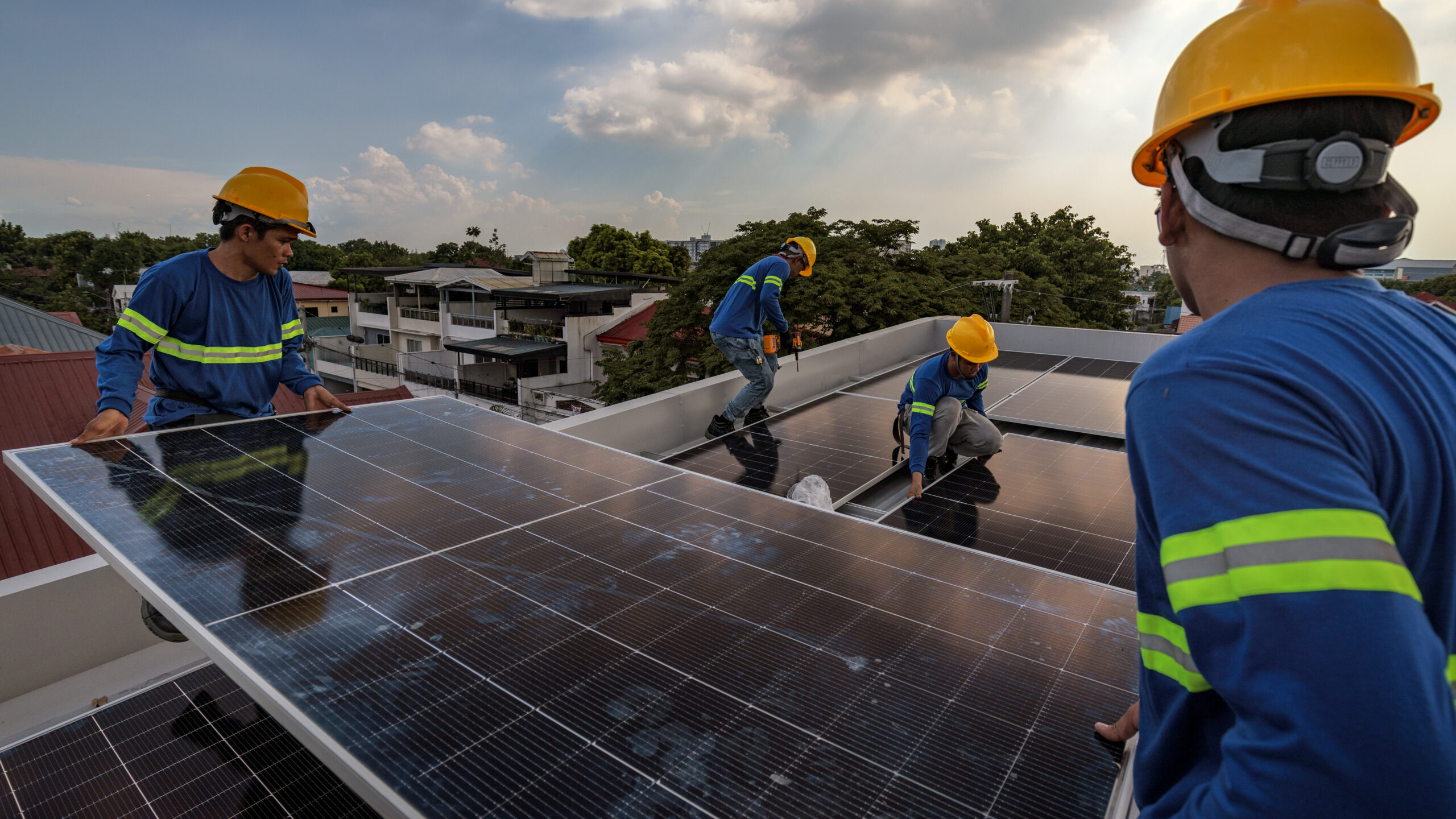
Chinese-made solar panels are driving a global transformation in energy generation, making rooftop solar increasingly accessible and affordable for businesses and households. This shift is providing more reliable electricity and reducing costs, particularly in developing nations where power infrastructure is limited.
Companies like Bestway Cement in Pakistan are integrating solar power to remain competitive, with solar already contributing over a quarter of the electricity for its cement plant. The global installed rooftop solar capacity reached nearly 1.2 terawatts by the end of 2025, a figure roughly three times the size of the global nuclear power fleet. The cost of solar panels has plummeted to around 12 cents per watt from $5-$6 per watt at the turn of the millennium, largely due to China's massive production capacity.
This influx of decentralized energy generation, however, poses significant challenges to existing power grids, which were not designed for such a dynamic flow of electricity. Experts warn that utilities face difficulties in managing grid stability, forecasting demand, and recovering costs as consumers increasingly generate their own power. In the Philippines, rooftop solar capacity is estimated to have nearly doubled in the year to April, with residential panels paying for themselves in just over three years. Similarly, Africa is expected to install around 17 gigawatts of new solar this year, primarily for business use.
Professor Janusz Bialek of Imperial College London noted in a recent paper that while renewables did not directly cause a recent blackout in Spain and Portugal, the system had not adapted sufficiently to their growth. Josefin Berg of S&P Global highlighted that the transition to decentralized power production raises questions about who will pay for grid maintenance as electricity sales for the grid decrease.