Key facts
- Billionaire John Caudwell and Lord Stuart Rose are criticizing 'tax creep' in the UK.
- They are urging the government to stop new tax hikes on businesses, dividends, and capital gains.
- The concerns are voiced ahead of Chancellor John Healey's upcoming budget.
- The Institute of Economic Affairs (IEA) states tax incentives for investment have eroded over the past 15 years.
- Levies on investment have increased by 10 percentage points since 2008, according to research.
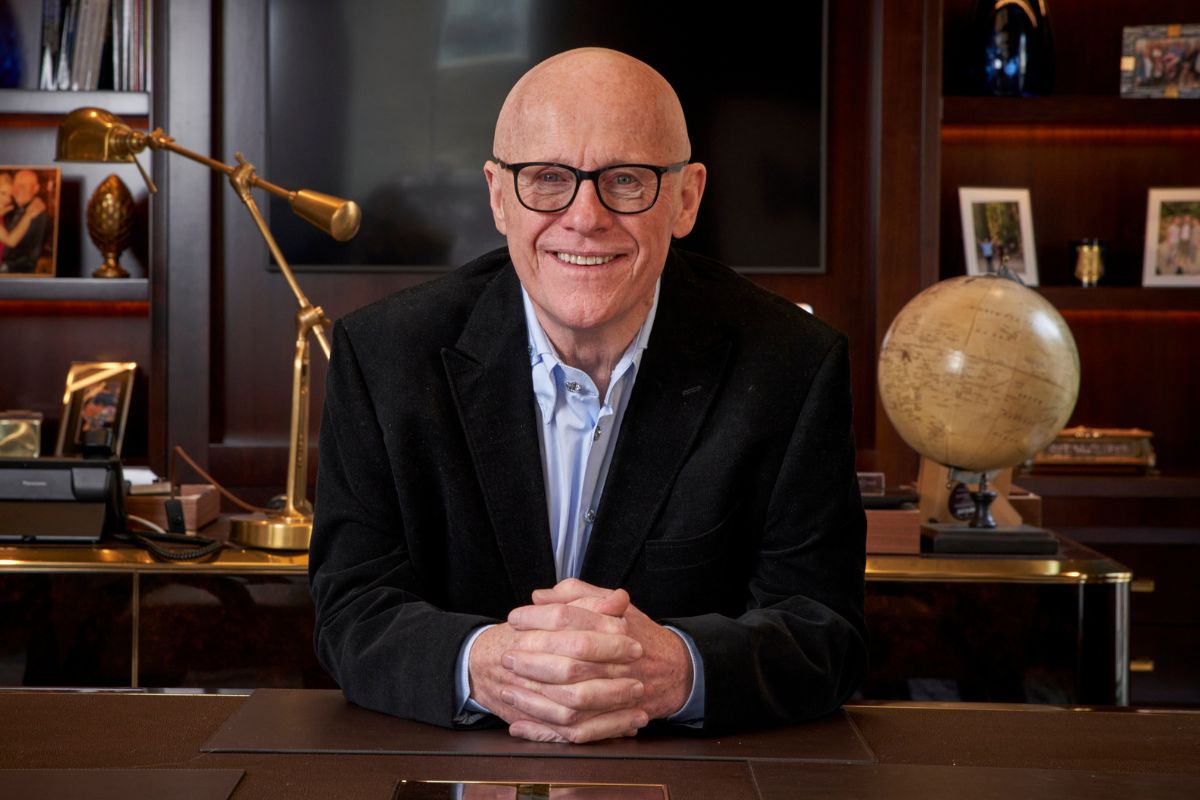
Billionaire John Caudwell and retail veteran Lord Stuart Rose have voiced strong opposition to what they describe as 'tax creep' impacting businesses in the UK. They are part of a campaign led by the entrepreneur group Helm, urging the government to cease imposing new tax increases on wealth creators, including levies on dividends, capital gains, and business assets.
Lord Rose, formerly of Asda and Marks & Spencer, expressed significant concern over the current cost of doing business, citing taxes and regulation as major obstacles to growth and employment. He specifically mentioned the impact of a £25 billion tax hike introduced by former Chancellor Rachel Reeves in late 2024, which he stated cost one supermarket £100 million annually and has contributed to stalled investment across the economy.
Caudwell, a former donor to the Labour party, separately indicated his belief that Labour is not electable. This public criticism comes ahead of Chancellor John Healey's Budget, scheduled for October 28, where he has pledged to provide relief to businesses that have faced substantial tax increases under the previous administration.
The Institute of Economic Affairs (IEA) has also raised concerns, publishing research suggesting that the UK's tax system has become more detrimental to economic growth over the past 15 years. The think tank argues that successive governments have unfairly targeted investors and workers. Research cited by the IEA indicates that taxes on investment, including corporation tax, dividend tax, and capital gains tax, have risen by approximately 10 percentage points since the 2008 financial crisis. Tom Clougherty, formerly of the IEA, described the repeated tax increases on investment during economic crises as a significant error that likely chilled growth.
The IEA report further highlights that the complexity of tax regulations has increased, with the HMRC handbook tripling in size. It also points to a substantial rise in the burden of personal income tax as a proportion of government revenue and a significant increase in the number of individuals paying the additional rate of tax since 2000.