Key facts
- Incumbent José Maria Neves, in office since 2021, was tipped by analysts to perform best of the six candidates.
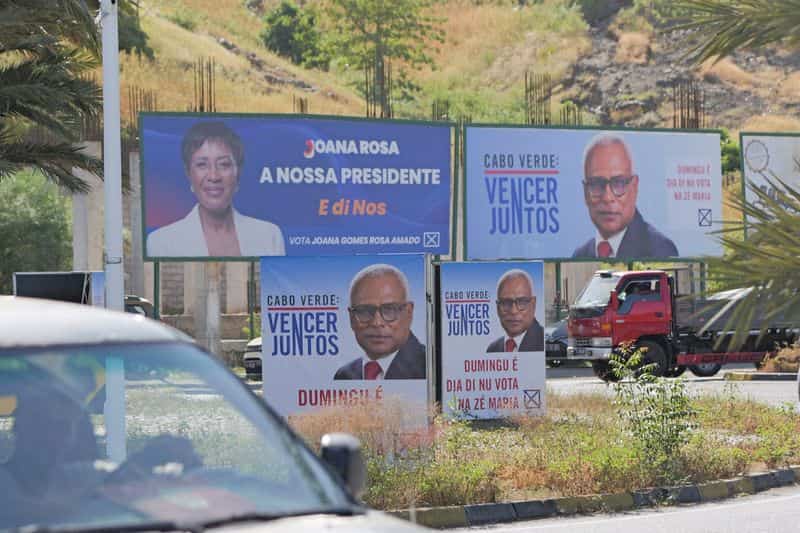
- Joana Rosa of the Movement for Democracy is the country's first female presidential candidate, per the report.
- Neves has vowed to organize a youth summit during a second term; Rosa has called for young people to be able to build futures at home.
- Official provisional results were expected in two or three days, with a runoff on November 29 if no candidate exceeds 50%.
Cape Verde voted for president on November 15, 2026, with incumbent José Maria Neves facing six candidates, including former justice minister Joana Rosa of the Movement for Democracy, Reuters reported. Polls were set to open at 8 a.m. (0900 GMT) and close at 6 p.m. (1900 GMT), with official provisional results expected in two or three days.
Neves, who was prime minister for 15 years and became president in 2021, is from the African Party for the Independence of Cape Verde (PAICV), which won 37 of 72 seats in May legislative elections, allowing Francisco Carvalho to become prime minister. Analysts tipped Neves to perform best of the six candidates, the report said. Rosa is the country's first female presidential candidate.
Under Cape Verde's hybrid parliamentary-presidential model, the president has veto authority and a mediating role. The campaign focused on the need to create more jobs for young people in the archipelago, which has lost many young people to jobs abroad. Neves has vowed to organize a youth summit during his second term, while Rosa has said the government should make it possible for young people to "build their futures here at home and prevent the continued exodus of young Cape Verdeans abroad".
If no candidate receives more than 50% of the vote, the two top candidates will compete in a runoff on November 29.