Key facts
- Canada's merchandise trade surplus reached C$4.24 billion in May, a four-year high.
- Exports to the U.S. increased by 1.5% to C$53.72 billion, representing nearly 70% of total exports.
- The trade surplus with the U.S. expanded to C$11.6 billion in May.
- Exports of metal ores and non-metallic minerals saw a significant 16.1% increase.
- Crude oil and gold exports declined, contributing to a 2% drop in energy exports.
- Canadian businesses have reduced inflation expectations following a Middle East ceasefire and easing trade concerns.
Canada's merchandise trade surplus expanded to a four-year high in May, driven by robust exports to the United States, according to data released by Statistics Canada. The surplus rose to C$4.24 billion, exceeding analyst expectations and marking the third consecutive month of positive trade balance. Exports to the U.S., Canada's largest trading partner, increased by 1.5% to C$53.72 billion, representing nearly 70% of total exports. This surge in U.S.-bound shipments contributed to a widening trade surplus with the U.S. to C$11.6 billion.
Despite efforts by Canadian businesses to diversify their export markets away from the U.S. due to trade policy uncertainties, including tariffs, the North American market remains dominant. Exports to countries outside the U.S. continued to decline, leading to a widening trade deficit with non-U.S. partners to C$7.4 billion.
Key drivers for the overall export increase included a significant 16.1% rise in shipments of metal ores and non-metallic minerals, partly influenced by sulfur exports amid Middle East conflict-related shipping slowdowns. However, crude oil and gold exports saw a decline, with energy exports falling by 2% due to lower crude oil volumes. Total imports decreased slightly by 0.2%.
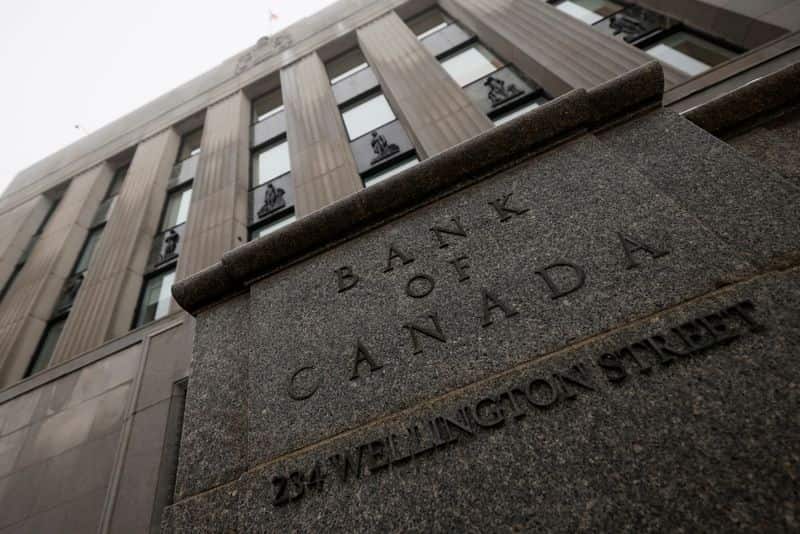
Separately, a Bank of Canada survey indicated that Canadian businesses have lowered their inflation expectations and eased trade worries, partly attributed to a ceasefire in the Middle East. Concerns about high gasoline prices impacting demand were present in May, but these were reported to be abating. The business outlook indicator saw its first decline in three quarters, reflecting increased caution due to U.S. trade policy uncertainty, though fears have somewhat subsided.