Key facts
- Canada implemented retaliatory tariffs of 15% to 50% on over 700 U.S. products, totaling approximately $20 billion.
- The tariffs took effect Tuesday, escalating a trade dispute that began in early 2025.
- Affected products include steel, furniture, clothing, electronics, and automotive parts.
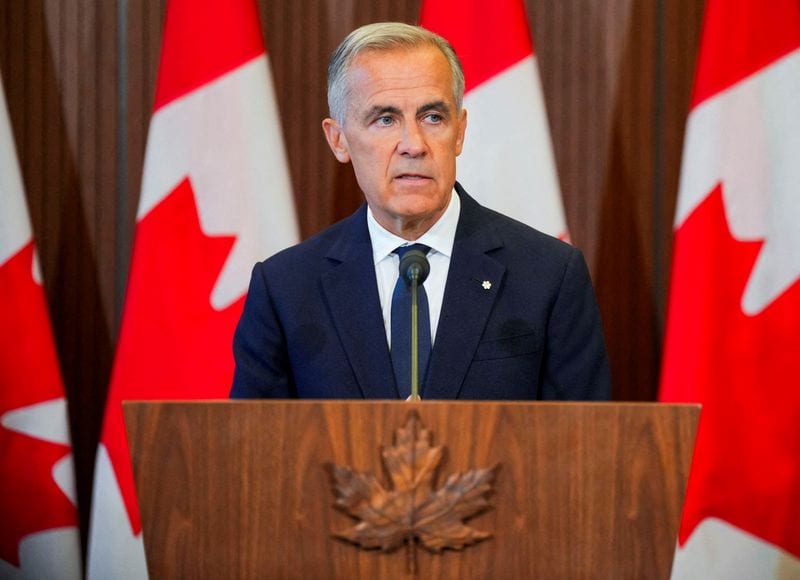
- Prime Minister Mark Carney stated the U.S. seeks dependency, not a true economic partnership.
- Trade talks between the U.S. and Canada collapsed in late August 2026.
Canada has implemented retaliatory tariffs on over 700 U.S. products, with rates ranging from 15% to 50%, escalating a trade dispute that began in early 2025. The measures, affecting approximately $20 billion worth of goods, took effect Tuesday.
Prime Minister Mark Carney stated that the U.S. under President Donald Trump seeks dependency rather than a true economic partnership. The ongoing trade rift has impacted key sectors including steel, aluminum, automobiles, and lumber.
The dispute traces back to February 1, 2025, when Trump announced tariffs on Canadian goods. Canada responded with a significant retaliatory package, though initial measures were paused and later adjusted through various rounds of negotiations and counter-tariffs. The conflict saw escalating tariffs on metals, automobiles, and other products, with specific actions taken throughout 2025 and 2026.
Key developments included U.S. tariffs on steel and aluminum, auto tariffs, and proposed tariffs related to forced labor. Trade talks between the two nations collapsed in late August 2026, leading to the imposition of 50% tariffs on certain Canadian goods and Canada's subsequent retaliatory measures. Trump also announced new auto tariffs set to take effect in January 2027.