Key facts
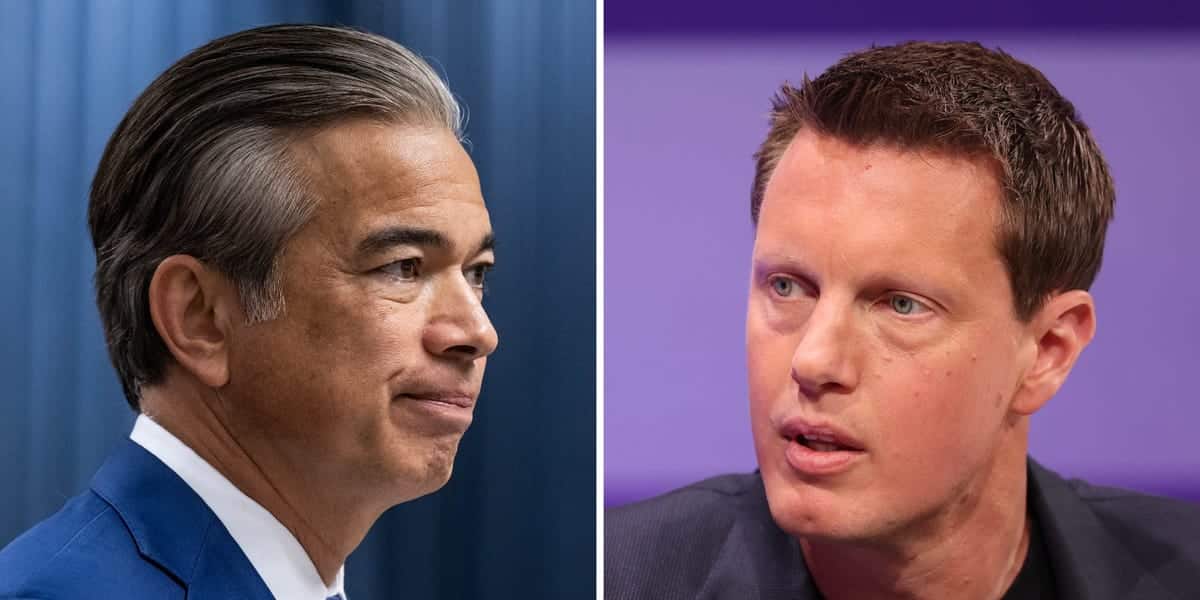
- California Attorney General Rob Bonta, alongside 11 other states, is suing to block the Paramount-Warner Bros. Discovery merger.
- The lawsuit argues the merger would reduce competition in the distribution of wide-release movies and the licensing of cable channels.
- Bonta stated that concerns about streaming competition, such as Netflix, are irrelevant to the antitrust case.
- The suit aims to prevent the combined entity from dictating terms to theater owners and increasing costs for consumers.
- Paramount contends the merger is essential for competing with large streaming and technology platforms.
California Attorney General Rob Bonta, joined by attorneys general from 11 other states, is suing to block the proposed merger between Paramount Global and Warner Bros. Discovery. Bonta stated that the state's antitrust concerns are focused on market concentration in the distribution of wide-release movies and the licensing of cable channels, dismissing Paramount's arguments that the deal is necessary to compete with dominant streaming services like Netflix.
Bonta clarified that the lawsuit is not intended to protect Hollywood giants from the rise of streaming platforms, calling such arguments a "distraction and a deflection." He argued that the merger would grant Paramount excessive power, potentially allowing it to dictate terms to theater owners and increase costs for consumers. The lawsuit seeks a preliminary injunction to halt the transaction.
Paramount has argued that the merger is crucial for creating a stronger competitor against major streaming and technology companies that have negatively impacted the theatrical exhibition market and entertainment industry jobs. The combined entity would control significant assets, including HBO, CBS, CNN, streaming services HBO Max, Paramount+, and Pluto TV, along with networks like TNT and film studios Paramount Pictures and Warner Bros. Studios.