Key facts
- Andy Burnham has become the UK's seventh prime minister in a decade.
- Burnham pledged to scrap digital identity document plans.
- He aims to rebalance power from Whitehall to the UK's regions.
- Burnham plans the largest council house building program since the post-war era.
- He will maintain support for Ukraine and seek closer European ties.
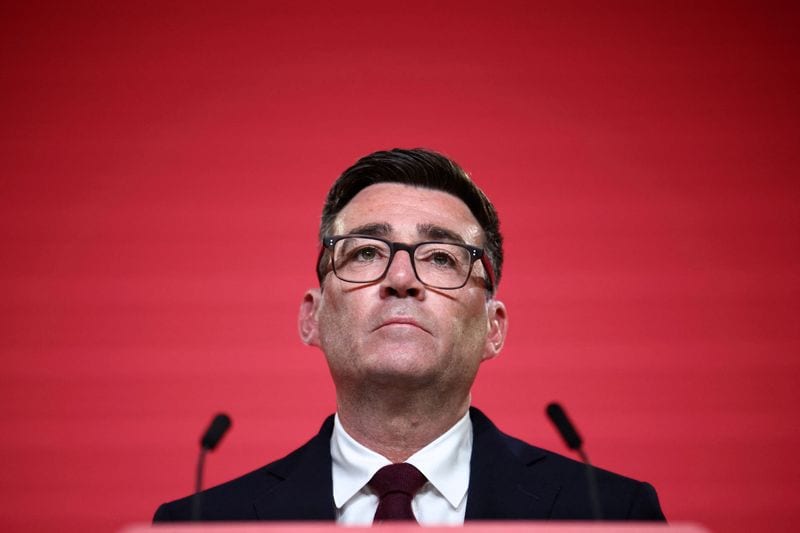
Andy Burnham has formally become the UK's seventh prime minister in a decade, following his unopposed election as Labour leader. He accepted the appointment after meeting King Charles at Buckingham Palace, shortly after the resignation of Keir Starmer.
Burnham, who returned to parliament a month prior in a by-election, faces significant challenges including the cost-of-living crisis, overstretched public services, and international conflicts. His premiership is viewed by some as a gamble by the Labour Party after a period of political and economic instability.
Key policy pledges include scrapping mandatory digital identity documents for employees and potentially placing Thames Water under government control. Burnham aims to rebalance power from Whitehall to the UK's regions, proposing a 'Number 10 North' office in Manchester to drive this initiative and extend devolution. He also plans the largest council house building program since the post-war era.
Economically, Burnham intends to support domestic production and adhere to Labour's fiscal rules, avoiding tax increases on working people. He has indicated potential reforms to business rates and support for a land-value tax. Social care funding reform is also a priority. In foreign policy, he vows to maintain support for Ukraine and seek closer ties with European countries.
Burnham's return to parliament and subsequent rise to prime minister occurred with limited scrutiny, as he faced no contest for party leadership.