Key facts
- Britain estimated eased food trade could add up to £5.1 billion ($6.70 billion) a year to its economy.
- A planned link between the two emissions trading systems would exempt goods such as steel from each other's carbon border levies.
- Britain and the EU settled on 100,000 young people allowed to work or study for three years, EU diplomats said.
- Britain had proposed 50,000 for the youth mobility scheme, while the EU wanted more, according to the report.
- The two sides aim to resolve a dispute over university tuition fees within six months.
- Britain wants special status under the EU's Made in Europe rules for cars, which the EU has indicated it would grant only if Britain aligns with its policies.
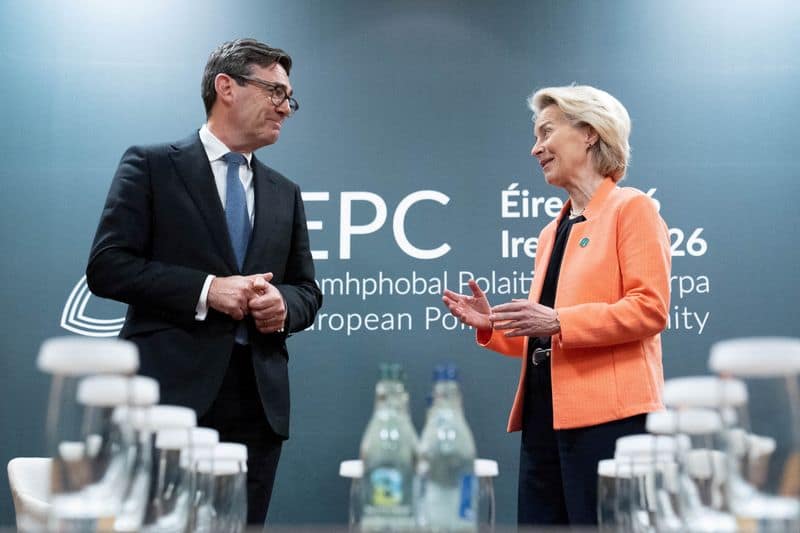
Britain and the European Union are set to agree on easing food trade and youth mobility in a reset of ties at a summit on November 20, 2026, a meeting postponed from July following the resignation of Prime Minister Keir Starmer. The report, by Reuters, said the summit is also likely to expose lingering divisions and question marks over the long-term future of the relationship.
The most significant agreement would allow cross-border trade in animals, plants and related products, such as sausages or seeds, without the certificates and controls currently required. Britain has estimated this could add up to £5.1 billion ($6.70 billion) per year to its economy.
A further agreement would link the emissions trading systems of Britain and the European Union, which would exempt British and EU goods, such as steel, from each other's carbon border levies. The two sides are also set to allow in each other's young people to work or study for three years; Britain had proposed letting in only 50,000, but the EU wanted more, and they have now settled on 100,000, EU diplomats said.
The two have also differed over tuition fees, with EU countries wanting their students eligible for home fees at British universities rather than the international rate, which is typically some three times higher. Britain prefers to offer only significantly reduced fees, and the two sides are aiming to resolve the issue within six months.
A sensitive issue for Brexit supporters is Britain accepting EU rules. A key UK demand is that the EU grant it special status under the bloc's Made in Europe rules, notably for cars. The EU has indicated it is willing to grant this, but only on condition that Britain align with its policies, which could mean Britain having to impose tariffs on Chinese electric vehicles. The draft joint statement had featured conflicting lines from Britain and the EU about the extent of economic coordination.
Prime Minister Andy Burnham has said Britain should consider options for its future relationship with the European Union, including rejoining the bloc. On Monday, he said it was the obvious truth that Britain had lost more than it had gained from Brexit.