Key facts
- Brazil's Congress approved a bill to exempt data center equipment from federal taxes.
- The legislation aims to attract investment in data center projects within the country.
- Key federal taxes including PIS, Cofins, IPI, and import duties on IT capital expenditures are exempted.
- Companies must meet certain conditions, such as fiscal regularity and dedicating a portion of services to the domestic market or R&D.
- The estimated fiscal benefit is R$7.5 billion over the next three years.
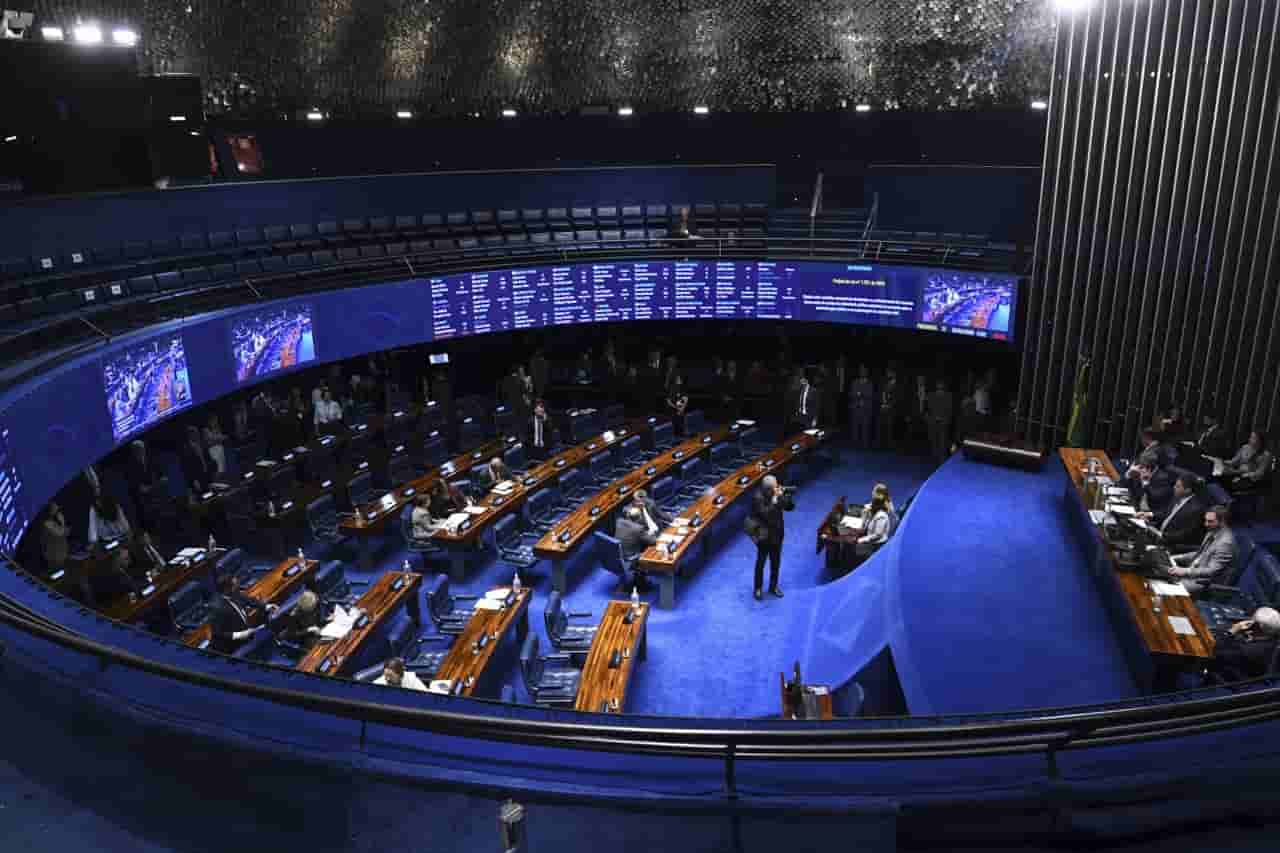
Brazil's Congress has approved a bill that provides tax exemptions for equipment and services related to data centers, a move aimed at attracting investment in the sector. The legislation, which has passed both the Senate and the Chamber of Deputies, now awaits ratification by President Luiz Inacio Lula da Silva.
The bill, known as Redata, offers suspension and eventual reduction to zero of federal taxes such as PIS, Cofins, IPI, and import duties on IT capital expenditures, including servers and refrigeration equipment. This initiative aims to bolster Brazil's infrastructure for cloud computing, high-performance processing, and artificial intelligence model training.
This proposal follows a previous executive order that expired this year after not being voted on by Congress. The current bill, proposed by Jose Guimaraes, aims to replace that expired measure and is seen as vital for Brazil to keep pace with global technological advancements.
To qualify for these tax benefits, companies must be fiscally regular and commit to specific counter-conditions. These include dedicating at least 10% of their data processing and storage capacity to the domestic market or public entities, or alternatively, increasing investments in research and development within Brazil. A portion of these R&D investments must be directed towards the North, Northeast, and Center-West regions.
The government estimates the fiscal incentive package will result in a tax waiver of approximately R$7.5 billion over the next three years. The exemption for 2026 is projected at R$5.2 billion, with an additional R$1 billion for each of the subsequent two years. Companies will also benefit from a five-year tax suspension on equipment purchases, which will be converted into a definitive exemption upon fulfillment of contractual obligations.