Key facts
- Bayer's Monsanto unit is seeking approval for a $7.25 billion settlement to resolve Roundup cancer claims.
- The proposed settlement covers nearly all existing and future claims in the United States.
- Monsanto attorney James Bennett stated that this is the only settlement offer available.
- Payouts under the settlement range from $10,000 to $165,000 for individuals with non-Hodgkin lymphoma linked to Roundup exposure.
- Bayer denies that Roundup causes cancer, citing studies that glyphosate is safe.
- Approximately 65,000 claims are currently pending against Bayer in U.S. courts.
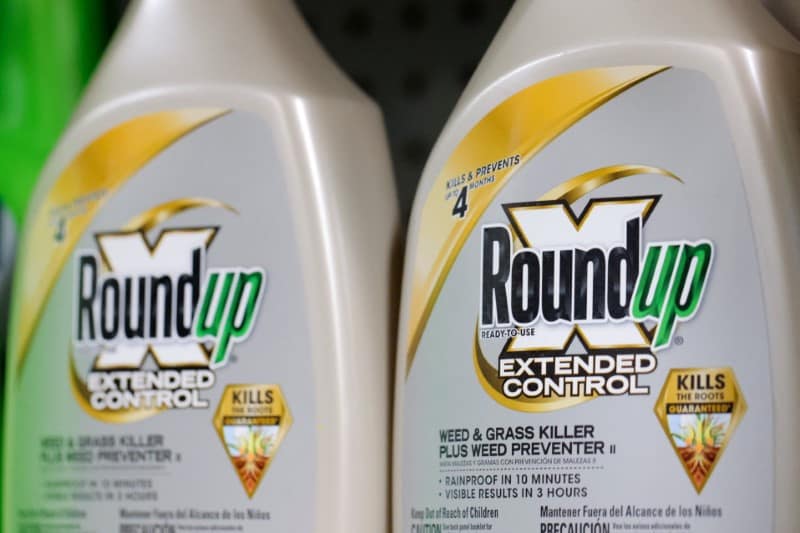
Bayer's Monsanto unit on Monday urged a Missouri judge to approve a $7.25 billion settlement aimed at resolving nearly all existing and future claims that its Roundup weedkiller causes cancer. The company argued that this is the only viable path to resolve the protracted litigation that has weighed on Bayer since its 2018 acquisition of Monsanto.
During a hearing in St. Louis, Monsanto attorney James Bennett told Judge Timothy Boyer that the company is prepared to fight the lawsuits in court if the deal is rejected, stating, "This is the settlement. There is not another settlement."
Supporters of the deal, including class-action lawyers who negotiated it, presented their case. Hunter Shkolnik, an attorney representing 3,000 Roundup plaintiffs, noted that many clients initially considered opting out but reconsidered after the U.S. Supreme Court sided with Monsanto in June on a key legal issue regarding the adequacy of Roundup's label warnings about cancer risks. This ruling significantly impacted many cases.
However, objectors argued that the proposed payouts, ranging from $10,000 to $165,000, are insufficient. T. Roe Frazer, an attorney opposing the settlement, contended that the maximum award is too low and does not account for the potential scope of future claims, especially as Roundup remains on the market and studies suggest widespread exposure to its key ingredient, glyphosate.
Bayer denies that Roundup causes cancer, asserting that decades of studies show glyphosate is safe. The company has faced approximately 65,000 claims in U.S. courts. In 2020, Bayer spent about $10 billion to resolve most then-existing Roundup lawsuits but failed to secure court approval for a parallel settlement covering future claims.