Key facts
- Pauline Hanson, leader of Australia's One Nation party, stated her party does not want Chinese electric vehicles in Australia.
- Hanson called for Australia to rebuild its manufacturing base.
- Australia is backing a global crackdown on oversupply of goods such as EVs and steel, driven by China's manufacturing boom.
- Trade Minister Don Farrell stated Australia is pushing for WTO reform to address oversupply issues.
- Concerns have been raised about potential security vulnerabilities in Chinese EVs, including data exploitation and external control.
- Chinese brands like MG and Chery are increasing their presence in the Australian market.
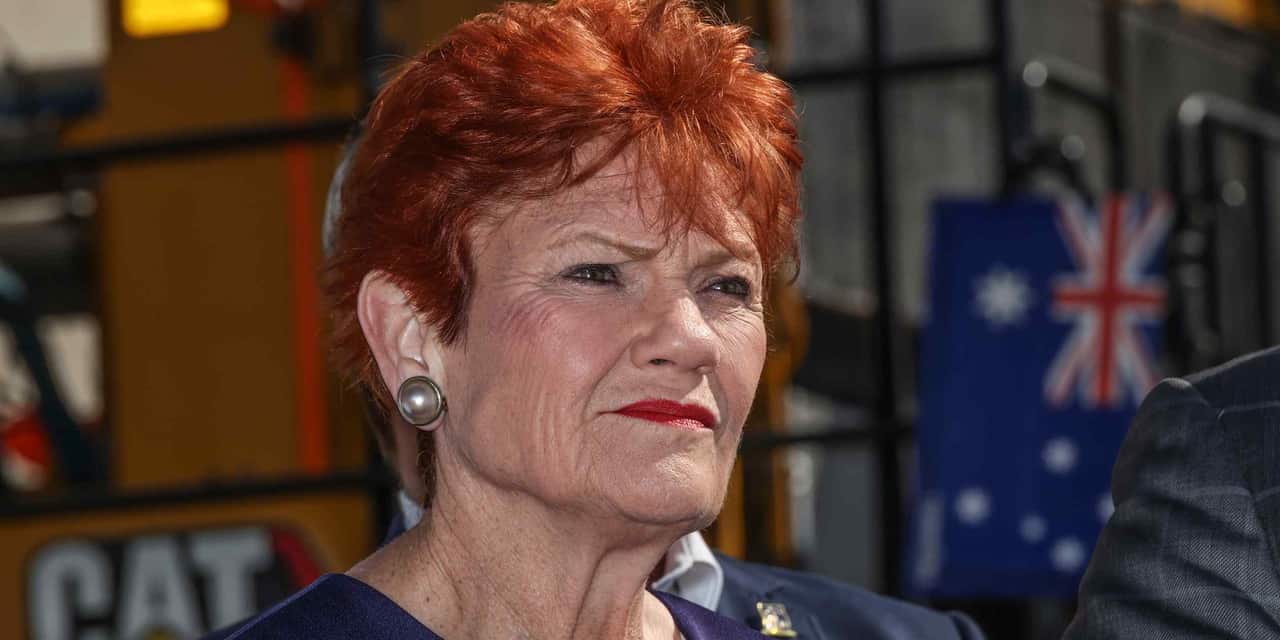
Pauline Hanson, the leader of Australia's far-right One Nation party, has declared her opposition to Chinese electric vehicles (EVs) entering the Australian market, advocating for the nation to rebuild its manufacturing base. Her stance aligns with broader concerns within Australia and globally regarding China's manufacturing oversupply.
Australia has publicly supported international efforts to address the oversupply of goods, particularly EVs and steel, which are seen as threatening Western competitors and potentially granting Beijing coercive economic power. Trade Minister Don Farrell indicated that Australia is strongly advocating for reforms within the World Trade Organization (WTO) to better manage global trade issues, including overproduction.
The influx of Chinese EVs into Australia is driven by their affordability and technological advancements, further bolstered by a free-trade agreement between the two nations. Brands like MG and Chery have seen significant growth in market share. However, this rapid expansion has also prompted security experts to voice concerns about potential vulnerabilities embedded in these vehicles, such as data exploitation through cameras, microphones, GPS tracking, and over-the-air updates that could allow for external control.
The United States has already signaled its intent to restrict Chinese-made vehicles, planning bans on software and hardware imports by 2027 and 2030, respectively, due to national security risks. This move sets a precedent for other countries, including Australia, to scrutinize their own policies regarding Chinese automotive imports.
Despite the push for EV adoption to meet environmental targets, the Australian government, through Treasurer Jim Chalmers, is proceeding cautiously with potential road user charges for EV drivers, fearing it could deter uptake. The broader international context sees nations like those in the EU, Mexico, and Canada already implementing tariffs and restrictions on Chinese EVs, while India and Indonesia are investigating Chinese dumping practices.