Key facts
- Australia's federal and Western Australia governments will co-fund a A$4 million pre-feasibility study for a new oil refinery.
- The proposed refinery is planned for Western Australia's Pilbara region, near Karratha.
- The study is intended to enhance energy system resilience and support the mining industry.
- Australia's refining capacity has declined significantly, with only two major refineries currently operating.
- The Australian government has allocated A$10 million for feasibility studies into new or expanded refining capacity.
Australia's federal and Western Australia state governments are to co-fund a A$4 million ($2.7 million) pre-feasibility study into a proposed new oil refinery near Karratha. The refinery, proposed by fertiliser company Perdaman, would be built in WA's Pilbara region, an area crucial to Australia's A$90 billion mining industry.
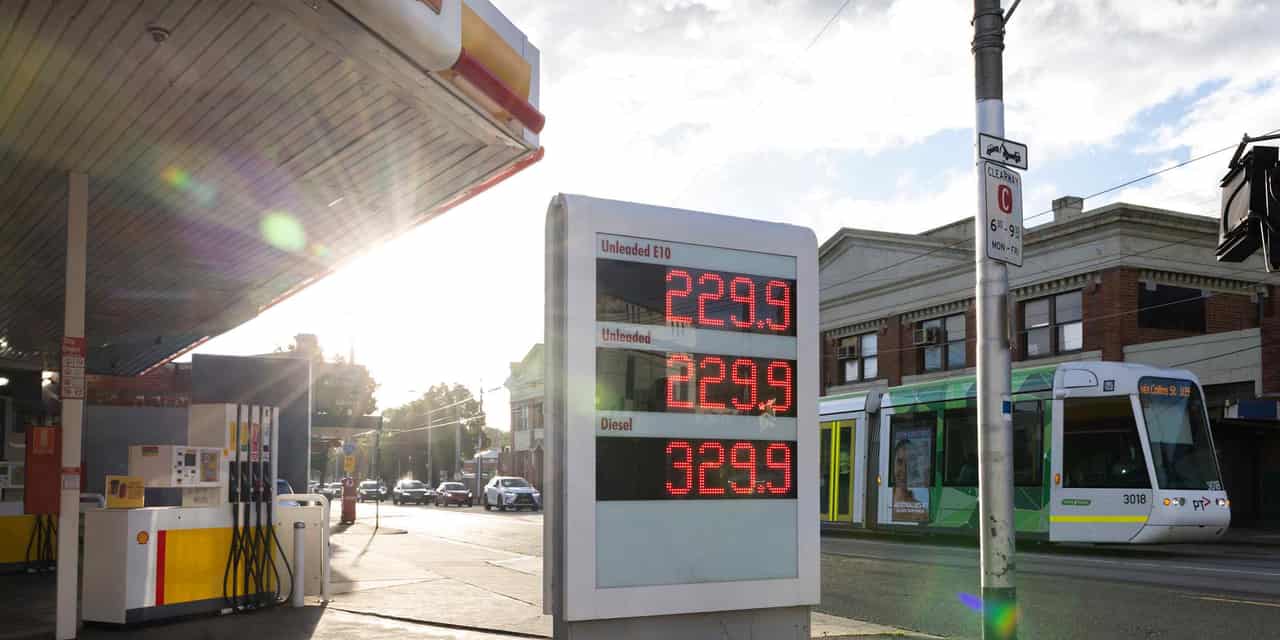
The initiative comes amid concerns over volatile diesel prices, exacerbated by the ongoing Iran war, and aims to enhance Australia's energy security and resilience to global oil shocks. The state's energy minister, Amber-Jade Sanderson, stated that a fuel refinery would bolster WA's energy system and ensure the continued operation of the mining sector.
Australia's refining capacity has significantly diminished in recent years, with major facility closures leading to a drop to 229,000 b/d between 2013 and 2021. Total closures since 2013 have exceeded 570,000 b/d, leaving only the Geelong refinery in Victoria and the Ampol-run Lytton plant near Brisbane in operation. WA previously hosted the Kwinana refinery, Australia's largest, which was closed by BP in 2021 and converted into a products import terminal.
The Australian government has included A$10 million in its federal budget to support feasibility studies for new or expanded refining capacity. These studies are to be co-funded with state and territory governments. Australia held 32 days' worth of gasoil stocks, 42 days of gasoline, and 32 days of jet fuel as of July 21. The WA government was the first state to establish its own gasoil reserve in April, purchasing approximately 25,000 barrels, and later added around 75,000 barrels to reserves in other locations. South Australia and Victoria have since followed suit in creating their own reserves.