Key facts
- An appeals court has allowed the Pentagon to maintain its policy requiring journalists to be escorted within the building.
An appeals court has allowed the Pentagon to continue its policy requiring journalists to be escorted within the building, pending the Defense Department's appeal of a lower court's ruling that found the policy unconstitutional.
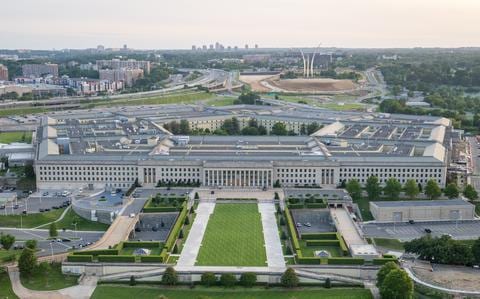
The ruling allows the Pentagon to continue its policy of escorting journalists, which critics argue infringes on press freedoms, while the broader legal challenge over the constitutionality of these restrictions proceeds.
An appeals court has permitted the Pentagon to maintain its policy requiring journalists to be escorted within the building, pending the Defense Department's appeal of a lower court's ruling. The U.S. Court of Appeals for the District of Columbia Circuit granted the department's request to pause an order by U.S. District Judge Paul Friedman, who had found the Pentagon's revised media access policy unconstitutional.
The lawsuit, initiated by The New York Times, challenged new rules that included revoking press credentials for those deemed a security risk and requiring escorts. The Times argued these policies violated First and Fifth Amendment rights. Judge Friedman agreed, stating the restrictions raised constitutional concerns and that the revised policy still did not comply with his earlier decision.
In a 2-1 decision, the appellate court found that the government met the standard for a stay, allowing the escort requirement to continue. Defense officials, including Pentagon spokesman Sean Parnell, have stated the policy is crucial for safeguarding classified information and has led to a reduction in unauthorized disclosures that could endanger lives. Parnell emphasized the policy is not intended to limit journalism but to protect national security.
However, dissenting Judge J. Michelle Childs expressed concern that the escort requirement could impede reporters' ability to gather information and speak freely with Department personnel, potentially harming press freedoms during the ongoing legal process. The appellate court's decision is temporary and does not resolve the core legal dispute over the constitutionality of the policy.
Pick the topics you care about. Get only what matters, on your cadence.