Key facts
- Amazon's Zoox will begin paid robotaxi rides in Las Vegas on August 10.
- The NHTSA granted Zoox an exemption allowing commercial deployment of vehicles without traditional human controls.
- Zoox's fares will be similar to 'comfort' tier ride-hailing services.
- The NHTSA exemption is limited to 2,500 vehicles annually for two years and includes enhanced reporting requirements.
Amazon's autonomous vehicle subsidiary, Zoox, is set to commence paid robotaxi services in Las Vegas starting August 10. This move follows the U.S. road safety agency's approval for the commercial deployment of its vehicles, which operate without human controls.
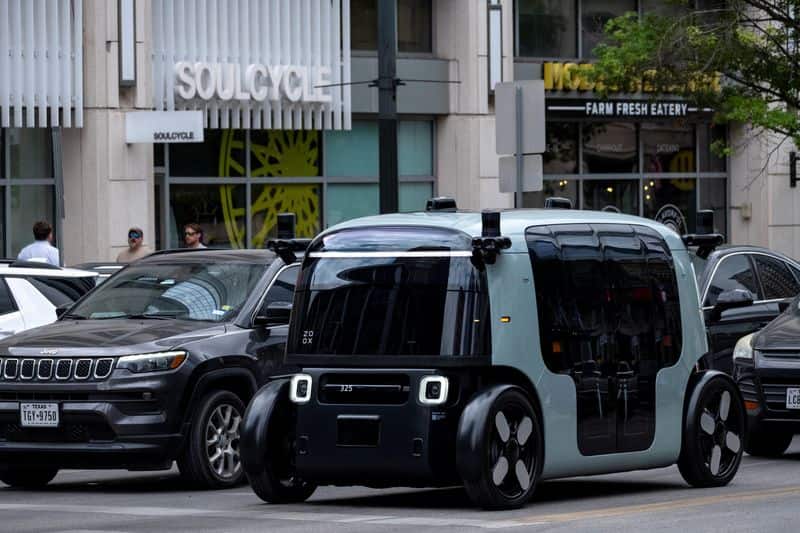
Zoox has been conducting free passenger rides in Las Vegas, San Francisco, Austin, and Miami as part of its testing phase. The company's electric vehicle features a unique carriage-style design with two rows of inward-facing seats.
The launch of paid services intensifies the competition in the burgeoning U.S. robotaxi market, where Alphabet's Waymo and Tesla are already established players offering driverless ride-hailing.
Zoox stated that fares will be comparable to the 'comfort' tier offered by other ride-hailing companies, typically 20%-40% higher than standard services. Pricing will be based on a combination of a base fare, time, and distance, with any destination-specific fees disclosed upfront. The company did not specify a timeline for introducing paid rides in other operational cities.
Zoox was the first autonomous ride-hailing company to secure an exemption from the National Highway Traffic Safety Administration (NHTSA) regarding federal rules that mandate human controls in vehicles. This exemption, however, is capped at 2,500 vehicles annually for the next two years. NHTSA determined Zoox's vehicle to be as safe as comparable vehicles meeting federal standards but has imposed additional reporting requirements for incidents like crashes or unexpected stops.
Robotaxi operators continue to face regulatory scrutiny concerning safety, particularly in handling emergency situations and interacting with other road users. Zoox has previously issued software recalls, including a recent one in July concerning its robotaxis' ability to detect heavy smoke at an emergency scene.