All NewsEducationTV
Equities & FundsCrypto & Digital AssetsAI & TechnologyBusiness & CorporateUS Politics & PolicyGeopolitics & Global RiskMacro, Rates & FXCommodities & EnergyEuropean Politics & MarketsAsia-PacificReal Estate & Property
All NewsHome
← Back to US Politics & Policy

Academic warns Gaokao reforms may expose Chinese public to pseudo-history

Created at 23 Aug · 4:06 AM1 source↑ Market-relevant
IN SHORT

A prominent academic has expressed concern that reforms to China's Gaokao college entrance exam could leave students vulnerable to historical inaccuracies and propaganda, potentially shaping a generation's understanding of the past.

Who's Involved

An academic
warns of risks associated with Gaokao reforms
Academic warns Gaokao reforms may expose Chinese public to pseudo-history

↳ Why This Matters

The Gaokao is a critical juncture for millions of Chinese students, and any changes to its curriculum can significantly shape their understanding of history and national identity, potentially influencing future societal perspectives.

Key facts

  • Reforms to China's Gaokao college entrance exam are raising concerns.
  • An academic warns these changes could lead to students being exposed to pseudo-history.
  • The reforms aim to integrate ideological education and nationalistic narratives into the curriculum.
  • There are fears that students may be taught a distorted version of history.

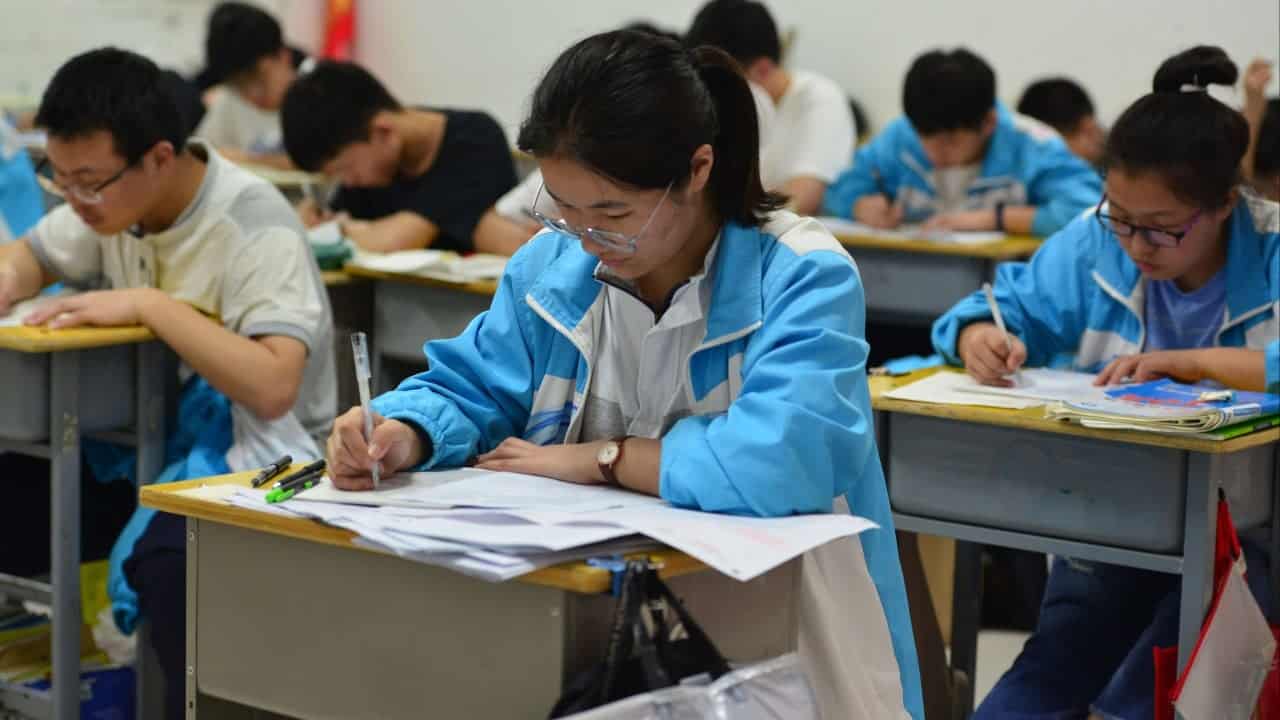
Reforms to China's Gaokao college entrance examination are sparking concerns among academics that the changes could expose students to pseudo-history and propaganda. A prominent academic has voiced worries that the integration of ideological education into the curriculum, a key component of the reforms, may lead to a distorted understanding of historical events.

The academic suggests that the Gaokao, a highly influential exam that determines university admissions for millions of students, could become a tool for promoting nationalistic narratives. This raises fears that students might be taught a version of history that serves the interests of the state rather than providing a balanced and accurate account of the past.

The reforms are part of a broader effort by the Chinese government to strengthen ideological control and patriotic education among young people. Critics argue that such measures could stifle critical thinking and create a generation susceptible to historical revisionism.

Frequently asked questions

The Gaokao is China's national college entrance examination, a highly competitive test that determines university admission for millions of students each year.

The reforms are criticized for potentially introducing pseudo-history and propaganda into the curriculum, leading to a distorted understanding of historical events and promoting nationalistic narratives.

The Gaokao's influence on millions of students means that curriculum changes can significantly shape their worldview and understanding of national identity.

How It Developed

An academic warns that Gaokao reforms could expose students to pseudo-history.
The academic suggests these reforms may be used to promote nationalistic narratives.
Concerns are raised about the potential for historical revisionism and propaganda.
The reforms aim to integrate ideological education into the curriculum.

Sources

T1
Gaokao reforms could leave Chinese public vulnerable to pseudo-history, top academic warnsSouth China Morning Post

Related Stories

Full fee waivers rise 20-fold to 280,000 after healthcare reform
22 Aug · 7:15 AM
Japan renews peace pledge on 81st anniversary of WWII end
22 Aug · 8:11 PM
Hong Kong criticizes Western 'slander' over Tiananmen vigil verdict
22 Aug · 9:05 AM
Trump tariffs dampen Quebec's separatist sentiment
22 Aug · 10:11 AM
Hong Kong Official: Decision on Proxy Voter Restrictions Still Under Consideration
22 Aug · 9:36 AM