Key facts
- Sinaloa Governor Rubén Rocha Moya has again requested an indefinite leave of absence.
- Rocha was indicted by U.S. federal prosecutors on charges including drug-trafficking and bribery.
Sinaloa Governor Rubén Rocha Moya has again requested an indefinite leave of absence, days after returning to his post following U.S. indictment on cartel charges. His return drew sharp criticism from Mexico's president and ruling party.
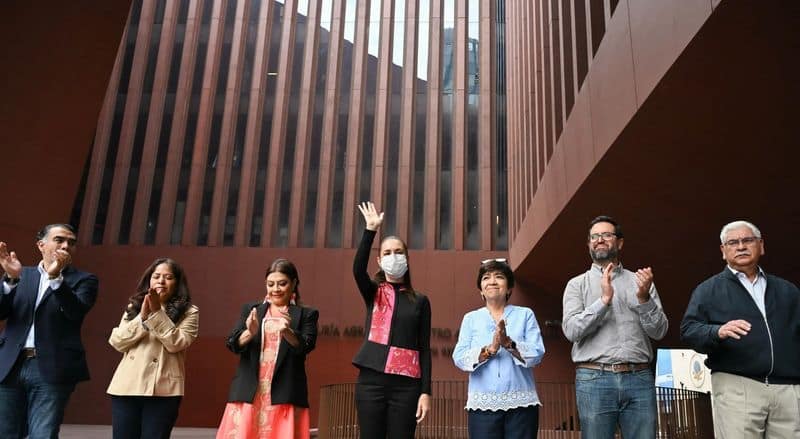
The situation highlights the complex relationship between the U.S. and Mexico regarding cartel activity and U.S. accusations of official corruption, while also demonstrating the political influence of Mexico's president within her own party.
Sinaloa Governor Rubén Rocha Moya has once again requested an indefinite leave of absence, just days after returning to his post following a U.S. indictment on charges of drug-trafficking and bribery. His brief return to office unleashed a significant backlash from his own ruling Morena party and the Mexican government, with President Claudia Sheinbaum publicly stating that "power without principles becomes arrogance." Rocha had initially taken leave in early May after federal prosecutors in New York unsealed an indictment accusing him and nine other officials of protecting Sinaloa Cartel members in exchange for bribes. He had claimed Mexican prosecutors found no evidence against him and returned to office asserting his innocence. The U.S. indictment alleges Rocha collaborated with The Chapitos, a faction of the Sinaloa Cartel, in exchange for help with his 2021 election campaign, allowing the cartel to install corrupt officials. President Sheinbaum has previously called for definitive proof from the U.S. and suggested the case should be handled domestically.
Pick the topics you care about. Get only what matters, on your cadence.