By Emma Farge
GENEVA, Nov 17 (Reuters) - The UN migration agency warned on Tuesday of further deaths from hypothermia in Gaza and called for more funding and shelter supplies ahead of winter after a baby died from cold.
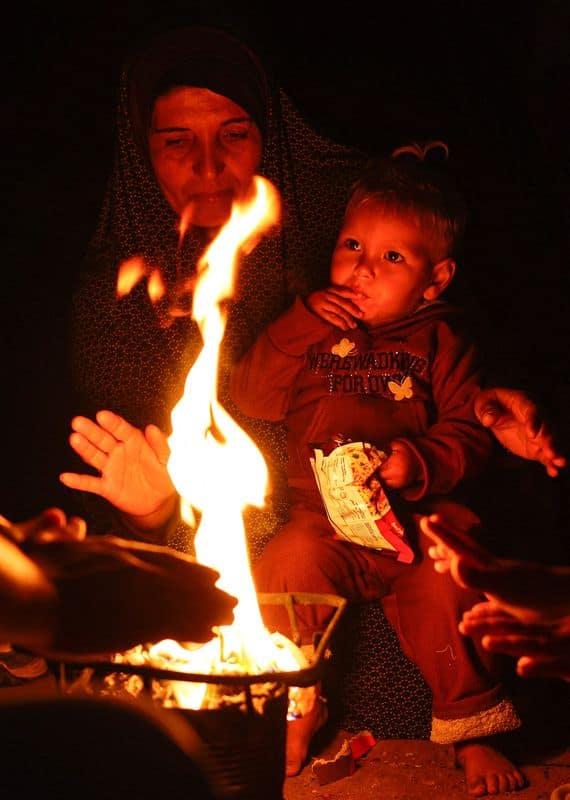
Heavy rain has already flooded tens of thousands of tents housing displaced Palestinians crammed into encampments after the war between Israel and Hamas reduced much of the Gaza Strip to rubble. Last week, a 9-month-old baby living in a tent died from suspected hypothermia, UN agencies and Gaza authorities said, and respiratory illnesses are rising.
"Without proper shelter, without critical relief items, then hypothermia deaths will occur," Karl Baker, head of the International Organization for Migration's Gaza programme, said on Tuesday, adding that children were particularly vulnerable, since they lose body heat more quickly. "It's unacceptable to have hypothermia in the modern world."
IOM has a $173 million funding shortfall for its winter shelter programmes, he said.
Most of Gaza's population of 2.1 million people is displaced and is being squeezed into a smaller part of the territory, with UN maps showing more than half of Gaza's total area under Israeli restrictions.
Baker said at a UN press briefing in Geneva that some 100,000 tents were currently waiting to enter Gaza – more than in previous years – with flows hindered by crossing closures and by lengthy Israeli security checks.
He also called for robust structures such as caravans and prefabricated housing to be funded and allowed in. The UN children's agency has complained that Israel has blocked equipment ahead of winter.
Israel's military agency that coordinates aid, COGAT, says it has a proactive "winterization plan" and that supplies and medicines continue to enter Gaza.
Baker described meeting a drenched family sheltering beneath sagging, worn-out tarpaulins. "Gaza is turning into one large IDP camp (internally displaced persons). It ranks as one of the worst I've walked through," he said.
(Reporting by Emma Farge; additional reporting by Nidal Al Mughrabi in Cairo; Editing by Alex Richardson)