By Devjyot Ghoshal
BANGKOK, Nov 27 (Reuters) - Thailand plans by January to provide Myanmar with conclusive data-backed evidence showing how rare earth mines in its war-torn neighbour are polluting downstream rivers, and is seeking concrete transboundary measures for impacted communities within six months, its deputy prime minister told Reuters.
Mining activity in the militia-controlled regions of Myanmar across the border with Thailand has intensified in recent years, driven in part by China's dominant rare earth industry, but lax environmental controls have put downstream communities at risk.
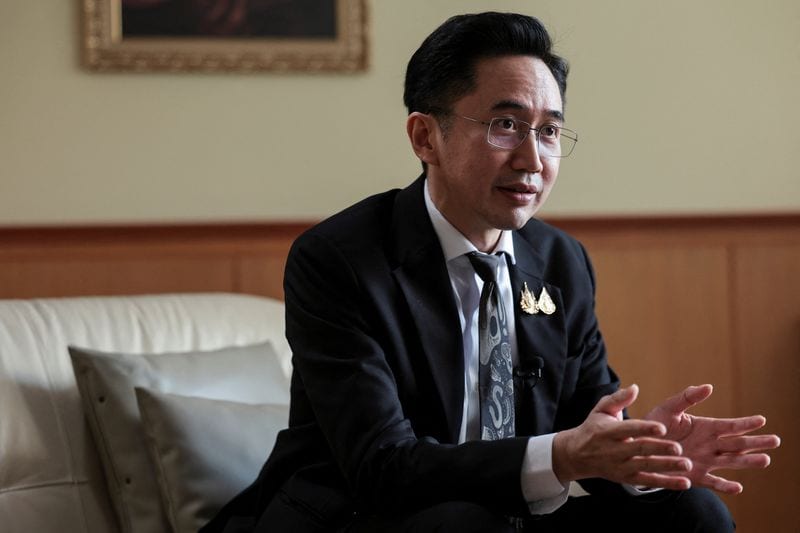
Deputy Prime Minister Yodchanan Wongsawat said on Friday that existing data already showed that mines in Myanmar's Shan State are polluting rivers flowing into Thailand's north -- but Myanmar officials have asked for more evidence.
"They kind of believe it's not their fault, but we have the evidence, we have the data," he said, referring to Myanmar, where a rash of mines, primarily extracting gold and rare earths, has led to the release of toxic chemicals into border rivers.
A Myanmar government spokesperson did not immediately respond to a Reuters request for comment.
Thailand and Myanmar agreed this week to establish 12 water sampling locations following meetings between the two countries in Bangkok, with joint sampling expected to begin between December and January.
These sensors will provide the additional data, Yodchanan said.
Tests conducted by Thailand's Pollution Control Department in August found arsenic exceeding standard levels at multiple locations along the Kok, Sai and Ruak rivers.
The Kok flows from Myanmar's Shan State into Thailand's Chiang Rai province, while the Sai and Ruak form parts of the border.
HELP FROM CHINA
In the remote hillsides of Myanmar's Shan State, which borders Thailand, Chinese miners opened new rare earth mines under the protection of the United Wa State Army militia group, Reuters reported last year.
Beijing said then that Chinese firms operating abroad are required to "abide by local laws and regulations and actively fulfill their social responsibilities."
Myanmar is one of the world's largest sources of rare earths that are primarily exported to China and turned into magnets used in critical technologies like wind turbines, medical devices and electric vehicles.
But the main mining belts are currently outside the control of Myanmar's military-backed government, including sites in Shan State, where the area impacted by mining tripled between 2024 and 2025, according to analysis by Crisis Group.
Myanmar has been in the throes of a civil war, triggered by a 2021 coup that ousted an elected civilian government and sparked an armed uprising that caused the military to lose its grip over large swathes of the country.
Thai authorities are also seeking to identify mines that may be releasing pollutants into downstream rivers and assess whether they are under the control of Myanmar's government or other entities, said Yodchanan.
"We also would like them to check whether they can control every mine or they cannot," he said, referring to the Myanmar government. "If they cannot, we will ask China to help."
(Reporting by Devjyot Ghoshal; Editing by David Stanway)