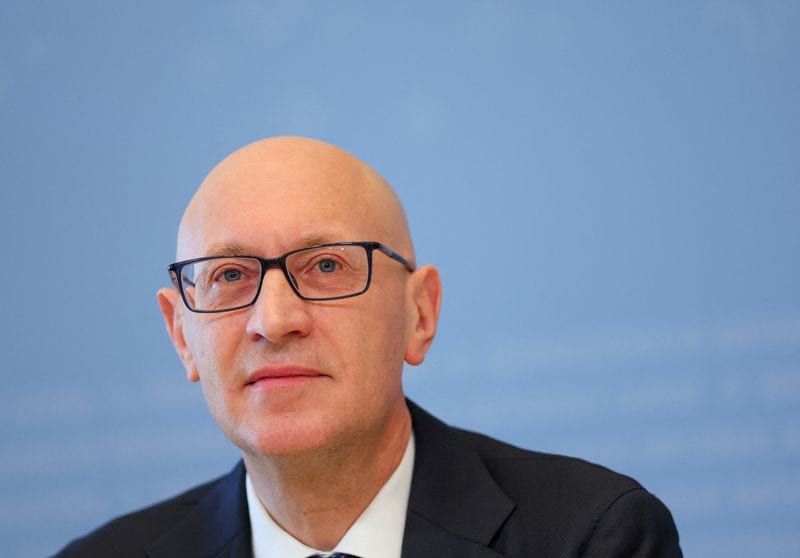
ZURICH, Nov 22 (Reuters) - The Swiss National Bank is paying close attention to potential second-round effects from accelerating inflation ahead of its next monetary policy decision, SNB Vice Chairman Antoine Martin said in comments published on Sunday.
In an interview with Swiss newspaper Le Matin Dimanche, Martin said inflation had continued to rise since the bank's last policy decision and that the SNB was monitoring developments closely.
"We are paying particular attention to potential second-round effects," Martin said.
Swiss annual inflation accelerated faster than expected to 1.5% in October from 1% in September, raising expectations the SNB could raise interest rates in December.
Following the data, SNB Chairman Martin Schlegel said the surge in inflation had surprised the bank.
The SNB targets an annual inflation rate of 0-2%.
SWISS FRANC SAFE-HAVEN
Martin said the Swiss franc "very clearly" remains a safe-haven currency, arguing that in real terms it is still close to where it stood against the euro five years ago.
Although the franc weakened against the dollar and euro earlier this year, it strengthened sharply in October amid AI-related market volatility, higher energy prices and concerns about French public debt.
"Our main risk remains exchange-rate risk, meaning fluctuations between the franc, dollar and euro," Martin said.
SNB BACKS GOVERNMENT ON UBS
Martin reiterated the SNB's support for a Swiss government proposal requiring UBS to fully capitalize its foreign subsidiaries, part of an overhaul of banking regulation following the 2023 collapse of Credit Suisse.
UBS has described that proposal as excessive and a threat to its competitiveness, fuelling speculation it could move its headquarters abroad.
Asked what would happen if UBS moved to the US, Martin said that was a matter for the bank's management. He added that Switzerland offers political stability, a predictable legal framework and a skilled workforce.
(Reporting by Marleen Kaesebier. Editing by Mark Potter)