By Andrius Sytas
PALUKNYS AIRFIELD, Lithuania, Oct 28 (Reuters) - Germany's permanent brigade in Lithuania will use electronic warfare capabilities to provide early warning of military activity in Kaliningrad and Belarus, the military's cyber chief said.
The brigade, due to be fully deployed next year, will also collect data on Russian and Belarusian military emitters and radar systems to update electronic-warfare databases used by German and allied forces, Vice Admiral Thomas Daum told Reuters.
"If anything happens, these units will identify that", he said.
"We'll put (the data) into electronic warfare databases which will then inform all our systems if there is a new radar on the Belarusian side."
Daum said Russian activities in parts of Europe had reached what he called "phase two, where the intent is to hurt" below the threshold of armed conflict.
"The cyber-information domain is not yet at war, but it's no longer peace", he said.
He said an earlier phase had focused on covertly penetrating Western networks through cyber attacks and establishing footholds inside systems.
Germany's cabinet in August approved measures, which must still be approved in parliament, to grant intelligence services new powers to hack communications and disrupt foreign adversaries' operations to counter what officials say is a growing threat from cyber and hybrid attacks.
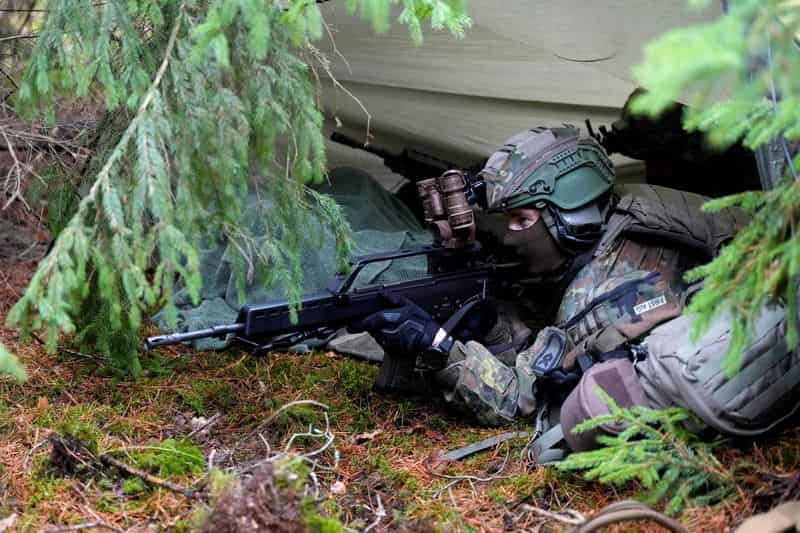
The German army is currently testing electronic-warfare systems in Lithuania, such as drone-detection tools, signal interceptors, jammers and sensors designed to relay battlefield data to remote analysts.
Before the war in Ukraine, the German military could barely convince commercial companies to supply it with such systems, said Patrick Jeschke, who heads the Bundeswehr's cyber innovation hub.
The challenge has shifted from finding suppliers to selecting the most promising technologies from a flood of proposals, he said.
"Over the last decades, we have not invested too much money into new capabilities. We've used what we had because we were focused on missions abroad, in Afghanistan and other places," said Daum.
"Now... there is a need to improve our capabilities."
(Reporting by Andrius SytasEditing by Keith Weir)