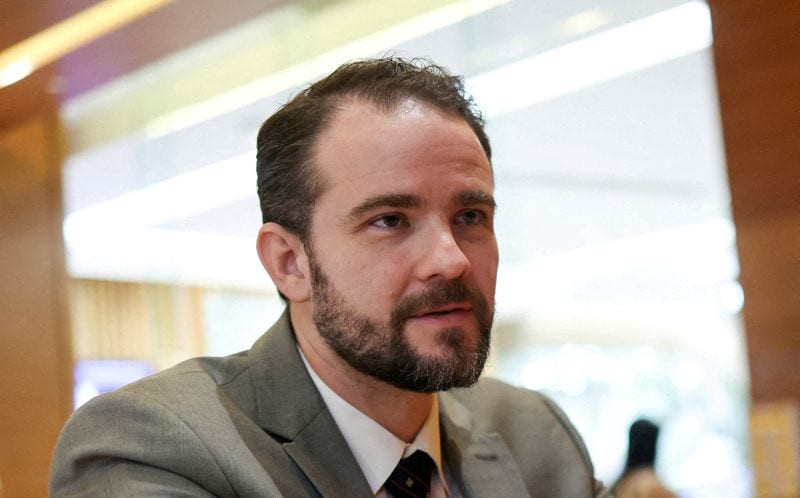
BRASILIA, Nov 17 (Reuters) - Brazil's Finance Minister Dario Durigan said on Tuesday that the country's sweeping consumption tax reform may have an inflationary impact at first, but the effect should diminish as companies adapt to the new system.
Speaking at a Senate hearing, Durigan said businesses will face a learning curve in understanding how tax credits and debits will operate under the new framework. Once companies gain a better understanding of the mechanism, "we will see a reduction in this inflationary impact," he said.
The overhaul of Brazil's consumption tax system, approved in 2023, is set to begin taking effect in 2027. The reform will replace a complex web of federal, state and municipal levies with a value-added tax model, a landmark overhaul long sought by economists.
Durigan spoke days after central bank chief Gabriel Galipolo said policymakers had not yet incorporated a potential tax-rate shock from the consumption tax reform into their inflation projections.
The central bank earlier this month paused an easing cycle that began in March, keeping Brazil's benchmark Selic interest rate at 13.75%. It cited a worsening inflation outlook reflecting shocks including a weaker currency, El Nino-related effects, changes to the country's work schedule and higher oil prices.
Policymakers, however, said a sharper slowdown in economic activity could offset part of those inflationary pressures.
Durigan also said Brazil must pursue broader tax changes, including an overhaul of corporate taxation and measures to encourage job creation while reducing payroll taxes without harming the social security system.
Separately, he argued that the country must undertake a review of primary spending, adding that there is "no magic solution" for placing public finances on a sustainable path.
Durigan reiterated the government's commitment to delivering a primary surplus in 2027 and said the surplus is expected to increase in subsequent years.
"Fiscal policy is one of the primary levers we have in government to lower interest rates and reduce public debt," he said.
(Reporting by Marcela Ayres; Editing by Fernando Cardoso and Paul Simao)