Key facts
- Reading, Pennsylvania is experiencing a surge in real estate development.
- New incentives are driving development to boost housing supply and economic growth.
- Reading was once the nation's poorest small city.
- The city has seen its poverty rate fall and population grow.
- A significant housing shortage persists in Reading.
- The Community Redevelopment Impact Zone (CRIZ) program is a key driver of development.
- The CRIZ program allows captured taxes to fund development projects.
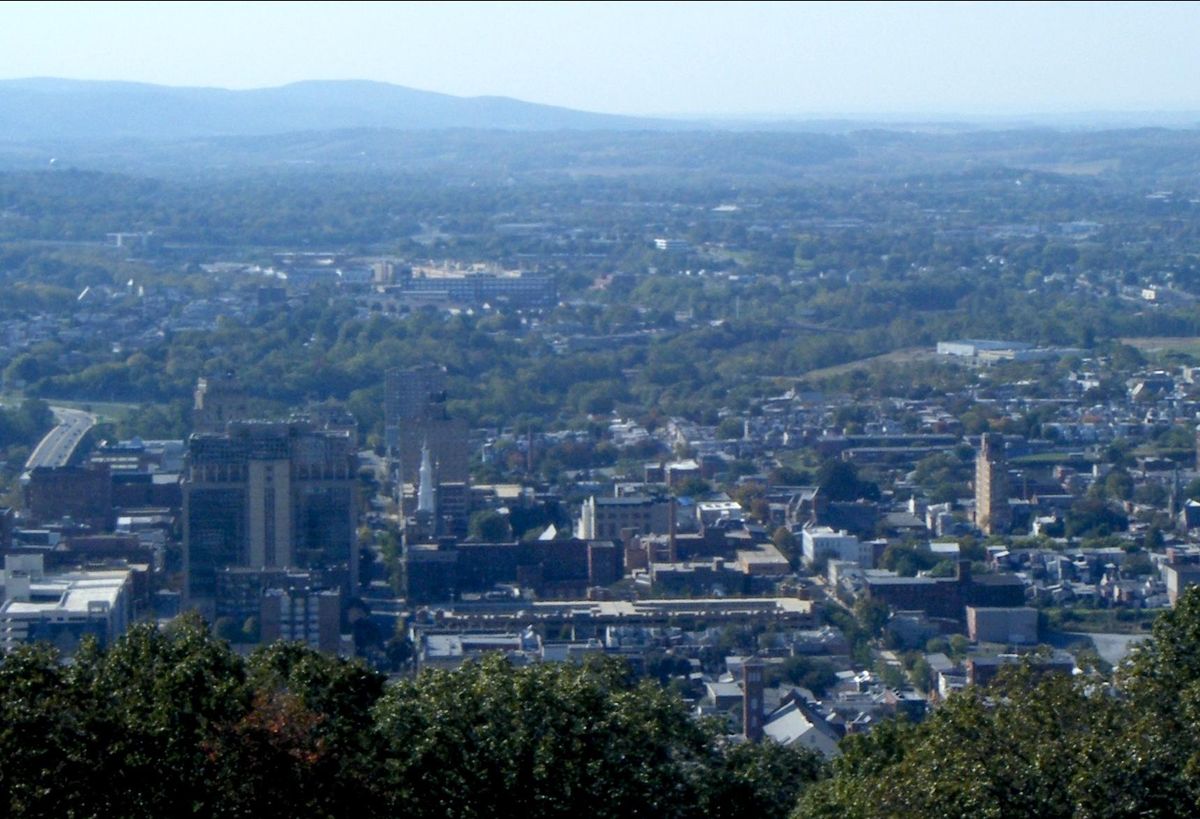
Reading, Pennsylvania, is currently experiencing a significant increase in real estate development, fueled by newly implemented incentives intended to stimulate housing supply and foster economic expansion. This urban center, which previously held the distinction of being the nation's poorest small city, has observed a reduction in its poverty rate and an uptick in its population. Despite these positive trends, a substantial housing deficit continues to be a pressing issue for the city.
A primary catalyst for this development boom is the Community Redevelopment Impact Zone (CRIZ) program. This initiative allows for the capture of local tax revenues generated by new development projects. These captured taxes are then reinvested directly into funding further development within designated zones. The program is specifically designed to overcome the financial hurdles associated with revitalizing areas and constructing new housing.
The CRIZ program aims to create a virtuous cycle, where increased development leads to greater tax capture, which in turn provides the capital necessary for more development. This strategy is crucial for a city like Reading, which is working to overcome historical economic challenges and a persistent lack of adequate housing stock. The success of these incentives is being closely watched as a model for other cities facing similar revitalization needs.