Key facts
- 762 real estate firms have become insolvent in the UK this year.
- This is a 60% increase from the same period last year.
- Insolvencies are nearly triple the number seen in 2017.
- High finance costs and economic uncertainty are cited as major factors.
- Leading housebuilder Berkeley has halted London investments.
- Ibstock, a brickmaker, is London's most-shorted stock.
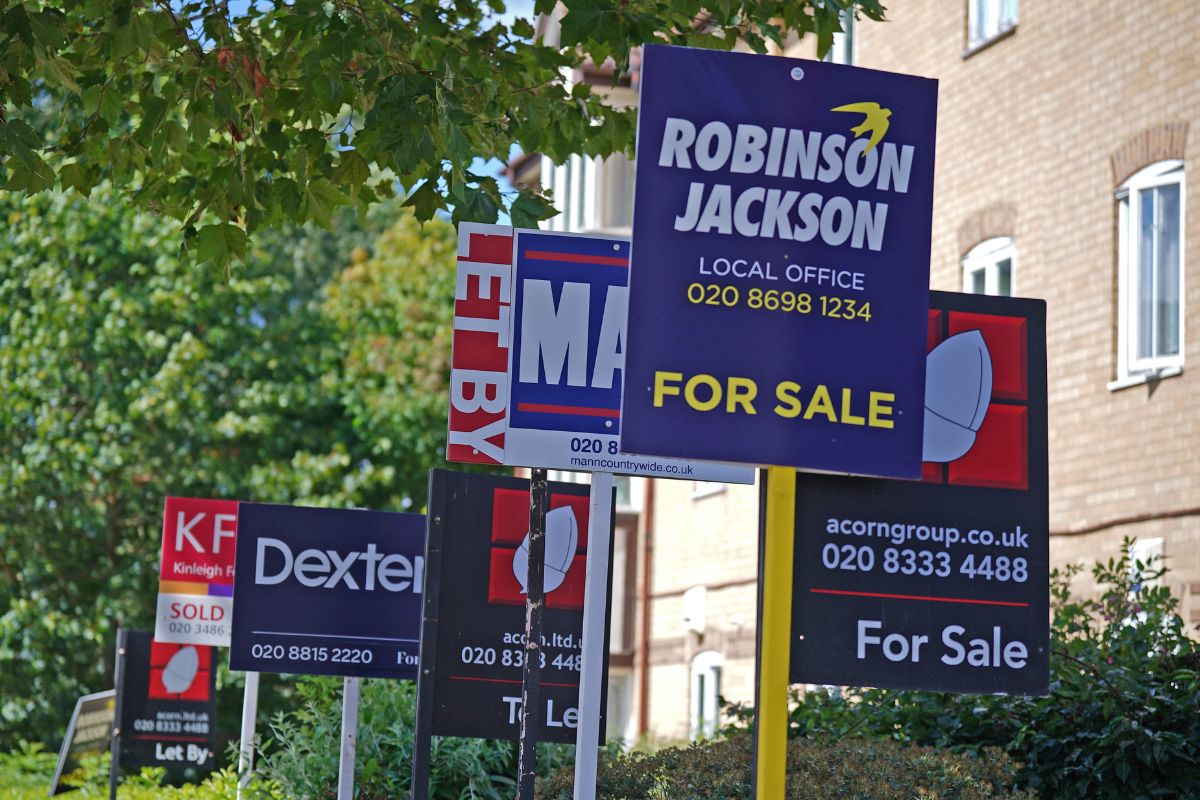
Real estate companies in the UK are experiencing a record surge in insolvencies, with 762 firms going bust this year, marking a more than 60% increase compared to the previous year. This figure is nearly triple the number recorded in 2017, signaling significant distress in the property market.
Industry bodies attribute the crisis to a "perfect storm" of high finance costs, economic and political uncertainty, and regulatory delays that are making construction unviable in many areas. Housebuilders and construction firms have voiced concerns about a subdued market, with rising building costs and stifled consumer confidence contributing to the downturn.
Leading housebuilder Berkeley has announced it can no longer invest in London developments due to planning issues. In a further sign of industry pressure, FTSE 250-listed brickmaker Ibstock has become London's most-shorted stock, as investors anticipate further gloom for the property sector.
Experts describe the situation as unsurprising, citing headwinds such as increased construction costs, higher financing expenses, regulatory delays, and subdued demand impacting viability. While the rising insolvencies are concerning, some suggest they should be viewed within the broader economic pressures affecting businesses across multiple sectors, with property firms facing ongoing operational cost increases and uncertainty.