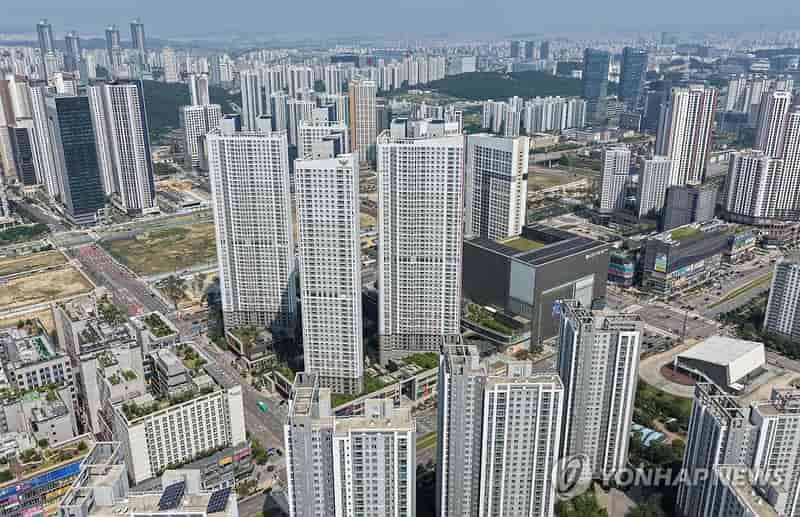
Key facts
- Three areas in Gyeonggi Province, South Korea, have been designated as speculative zones.
- The designations impose tighter lending rules and residency requirements.
- The Ministry of Land, Infrastructure and Transport made the designations.
- Property prices in Dongtan, Giheung, and Guri have seen significant increases.
- The measures are aimed at curbing speculative buying and stabilizing the housing market.
The South Korean government has designated three areas in Gyeonggi Province—Dongtan Ward in Hwaseong, Giheung Ward in Yongin, and Guri—as speculative zones, effective Wednesday. This move aims to curb rampant home price increases and speculative buying in these regions.
The Ministry of Land, Infrastructure and Transport announced the designations following a residential policy deliberation committee meeting. Property prices in Dongtan and Giheung have surged due to expectations of further gains, partly fueled by bonuses from Samsung Electronics employees and infrastructure improvements. Guri has also seen price climbs due to its proximity to Seoul's Gangnam business district.
As of the fourth week of June, Dongtan's home prices had risen 11.38%, the largest increase nationwide. Guri saw a 7.87% gain, and Giheung recorded a 6.21% increase.
The new regulations, effective until December 31, 2027, will impose stricter lending rules. These include mortgage loan ceilings of 600 million won for homes priced at 1.5 billion won or less, 400 million won for homes between 1.5 billion and 2.5 billion won, and 200 million won for homes exceeding 2.5 billion won. Additionally, homebuyers will be required to reside in the designated areas for at least two years and will be prohibited from using jeonse (lump-sum deposits) for home purchases.