Key facts
- UK housing minister Matthew Pennycock blocked skyscraper plans near the Tower of London.
- The decision was based on heritage impacts and concerns about views from the World Heritage site.
- The City of London Corporation's 'City Plan 2040' proposed new office buildings to boost growth.
- Historic England's alternative proposals for building heights were favored over the Corporation's plans.
- The City of London Corporation criticized the decision as 'anti-growth' and unnecessary.
The UK government has blocked plans for new skyscrapers in the City of London due to concerns over their impact on the historic Tower of London. Housing minister Matthew Pennycock intervened, directing planning authorities to consider alternative proposals from Historic England that would limit building heights, particularly around Fenchurch Street.
The City of London Corporation had proposed the developments as part of its 'City Plan 2040,' aiming to enhance the capital's growth and investment prospects. Documents within the plan indicated that some new buildings should not exceed 90 meters in height.
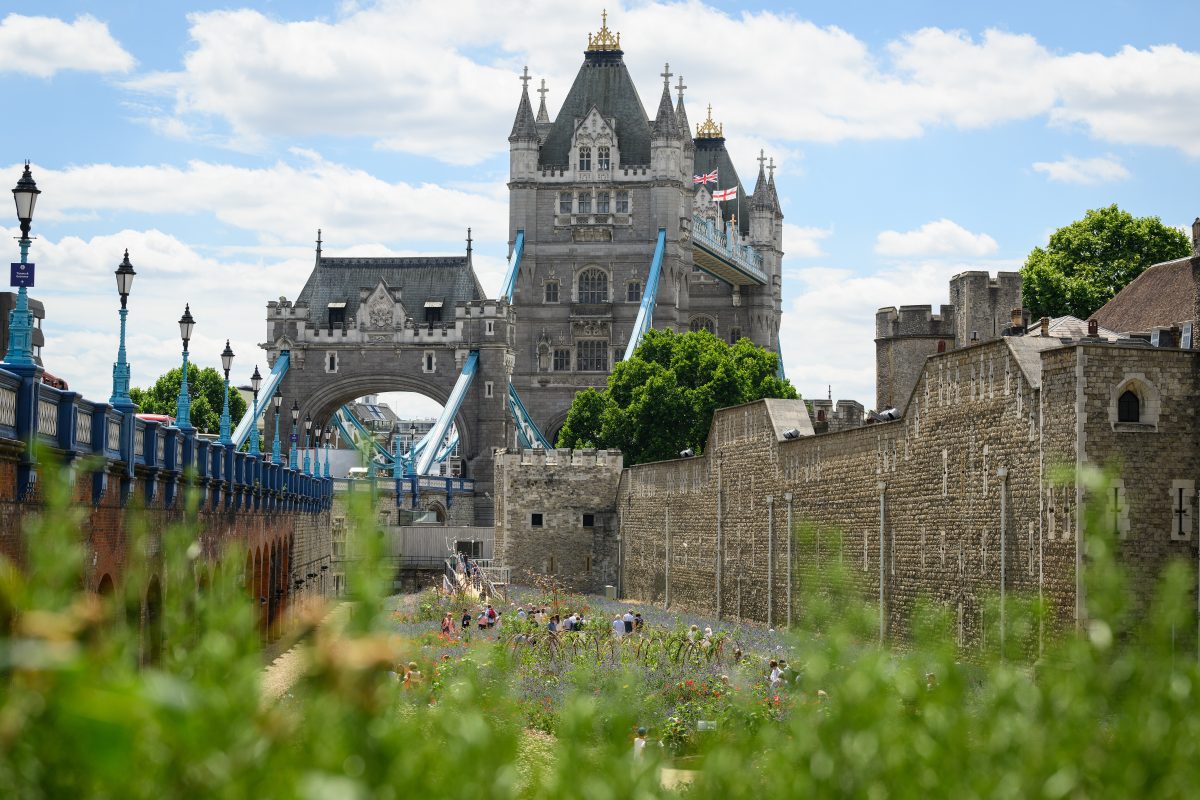
Historic England and Historic Royal Palaces, which manages the Tower of London, welcomed the minister's decision. Melissa Hammett, director at Historic Royal Palaces, stated that tall buildings would be an "encroachment" on the fortress's views and "further erode the Tower’s setting," emphasizing its importance as a World Heritage site.
The City of London Corporation strongly disagreed with the intervention, with Tom Sleigh, chairman of its planning committee, branding the decision "anti-growth." He argued that the issue had already been thoroughly examined and that sending the plan back for further hearings on a "settled point" would result in missed economic growth.
A spokesperson for the Ministry of Housing, Communities and Local Government stated that World Heritage Sites are irreplaceable and must be protected. The ministry asked inspectors to consider alternative proposals to ensure the Tower of London is safeguarded against unsuitable development while still allowing for economic growth.