Key facts
- The Colorado Housing and Finance Authority's Drive It Home Construction Loan program has closed its first project, Wolff Street Flats.
- The program provided a $5.7 million low-interest construction loan for the 23-unit affordable condominium development in Denver.
- Homes at Wolff Street Flats will be sold to households earning 80% of Area Median Income or less, with an estimated average price of $285,000.
- The $50 million bond investment supporting the program is fully committed and expected to create 182 affordable for-sale units statewide.
- CHFA is considering future expansion of the Drive It Home program.
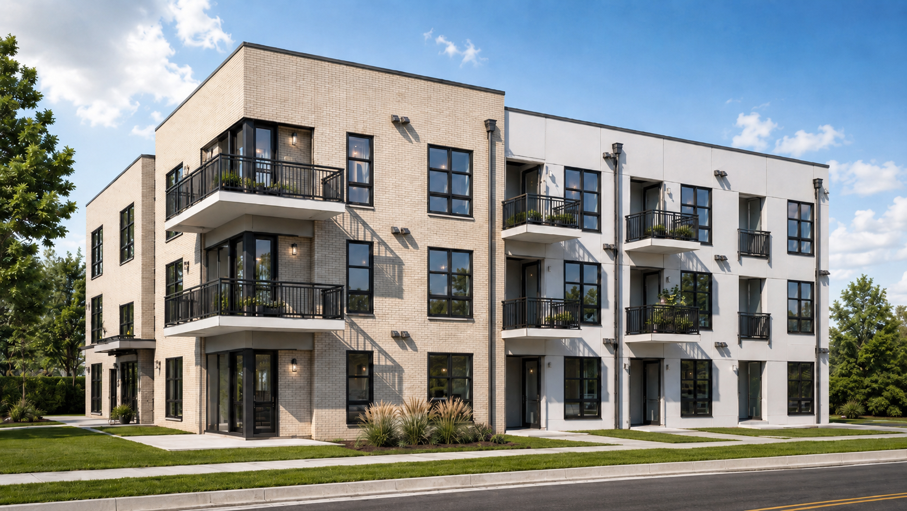
The Colorado Housing and Finance Authority (CHFA) has initiated its Drive It Home Construction Loan program with the closing of a $5.7 million low-interest loan for Wolff Street Flats, a 23-unit affordable condominium project in Denver's West Colfax neighborhood. This marks the first project to utilize the program, which is funded by a $50 million bond investment authorized by bipartisan legislation last year.
Osina Development and Modus Real Estate are developing Wolff Street Flats, with construction set to begin next week and completion anticipated by August 2027. The condominiums will be priced for households earning 80% of Area Median Income or less, with an estimated average sale price of $285,000. This initiative aligns with recent state housing reforms signed by Governor Jared Polis, aimed at increasing housing density and affordability.
Scott Speil, principal of Osina Development, noted that while Denver has a housing shortage, the specific issue is a lack of affordable housing. He stated that Wolff Street Flats would not be feasible without state and city financing, citing high current interest rates and construction costs. The CHFA loan carries a 3.5% interest rate, significantly below market rates.
The $50 million bond investment is now fully committed and is projected to yield approximately 182 affordable for-sale units across Colorado. CHFA is exploring opportunities for future program expansion through additional investment from mission-driven funders. Lawmakers involved in the legislation view projects like Wolff Street Flats as proof of the policy's effectiveness in translating into tangible housing solutions.